3 Savile Row – Its role in British history


Within These Walls: 6 Layers of History

savilerow

No 3 Savile Row, Mayfair

Let me introduce you to a Grade II listed mansion house in London’s Mayfair that has recently been in the news due to an unsuccessful campaign to prevent its conversion into an Abercromby & Fitch childrenswear store. Knowing the history of this grand old building it is somewhat ironic to find that an American transformation has materialised. For the truth is that this building has some very interesting and important connections.  Since its construction in 1733 this house has been occupied by people who have helped shape the course of British military and cultural history. Let’s go inside…

1. Admiral John Forbes (1714-1796)
forbes

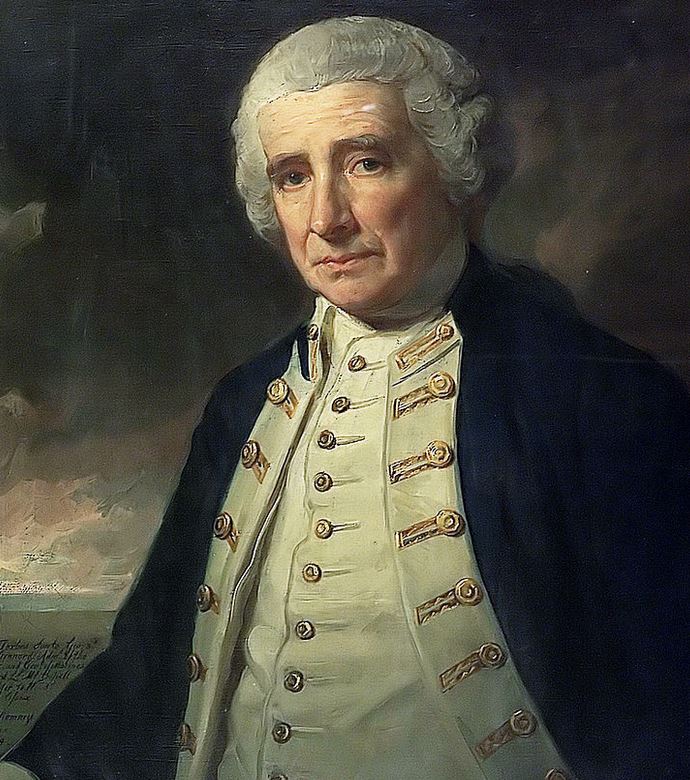
John Forbes was Wellesley-Pole’s father in law

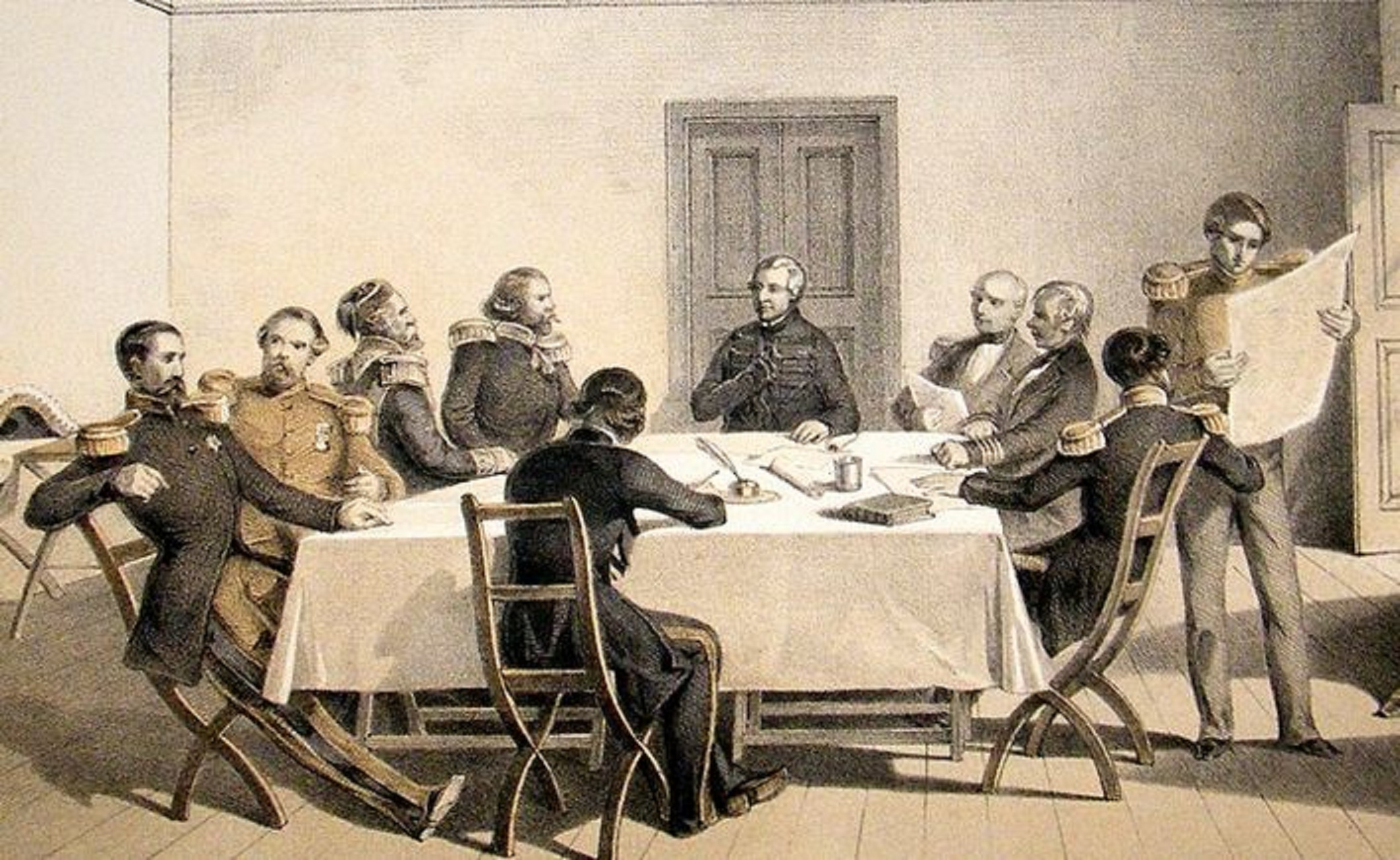
John Forbes began his naval career at the age of 13 and progressed up through the ranks until he became Admiral of the Fleet from 1781 until his death. This was an era when a great many servicemen returned from war incapacitated, and disability was not considered a barrier to high office. Even though Forbes was unable to walk and rarely seen in society he still managed to exercise overall control of the British Navy – and he did so by holding meeting as his house at 3 Savile Row, where he had lived from around 1760.
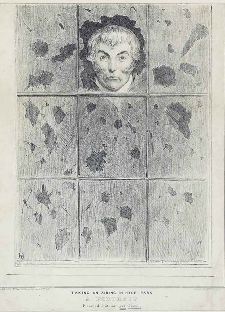
byng

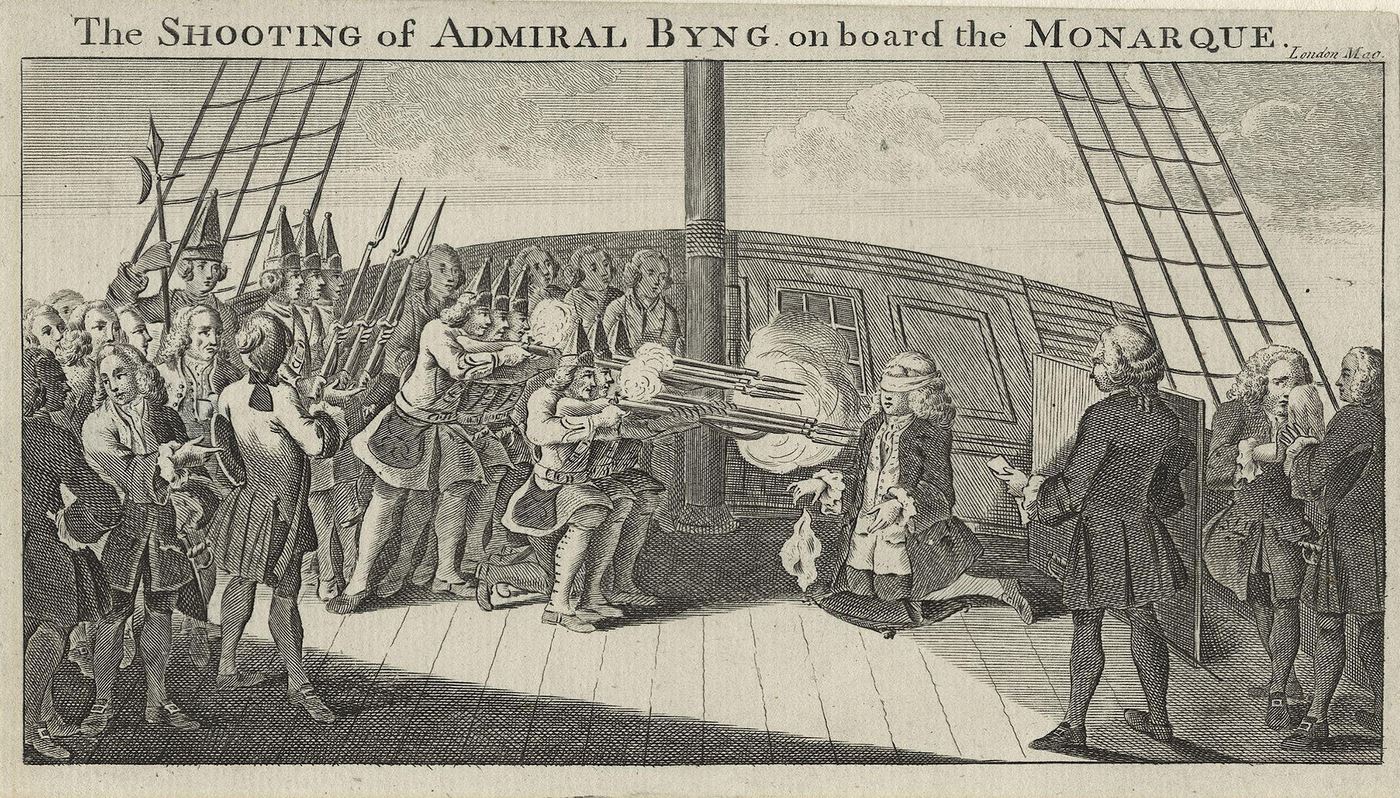
Execution of Admiral Byng (1757)

Forbes most important contribution to British history came when he was involved in the trial of Admiral Byng, who was blamed for the loss of Minorca in 1756. He was tried and found guilty of failing to “do his utmost” to prevent the defeat. When Byng was sentenced to death an appeals for clemency was angrily refused by King George III. Forbes was the only Admiral to refuse to sign Byng’s death warrant though his action failed to prevent Byng’s execution by firing squad on 14 March 1757. Such was the effect upon the public mind that this was the last time a serving naval officer was executed on this charge. Forbes fearless refusal to bow to enormous pressure singled him out as a compassionate man of principle and made him a role model for fairer treatment of naval personnel.

In 1784 Forbes twin daughter Katherine married 3rd Lieutenant William Wellesley-Pole in a ceremony at 3 Savile Row with guests including Arthur Wellesley, later Duke of Wellington. Wellesley-Pole inherited the house in 1797 but decided to rent it out

2. General Robert Ross (1766-1814)

ross

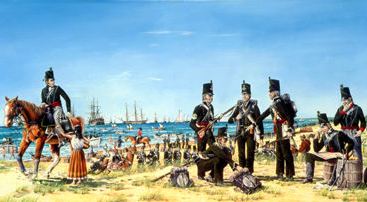
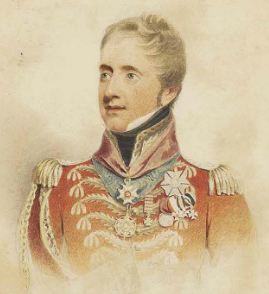
Perhaps Wellesley-Pole’s most famous tenant was Robert Ross a famous British general who is best known across the water in the United States. Irish-born Ross lived at Savile Row until 1805 after returning from action at the Battle of Alexandria (1801). He was subsequently present at the Battle of Corruna (1809) before serving under Arthur Wellesley during the Peninsular War. Despite being seriously wounded at the Battle of Orthes on 27th February 1814, Ross agreed to lead command a British expeditionary force to attack the United States

washington burning

Hard to believe even today – Britain burning down the White House (1814)

Having routed the Americans at Bladensburg (27th August 1814) Ross advanced into Washington DC where he destroyed all the public buildings including the White House. For this act Ross is perhaps the best remembered of all British soldiers ever to set foot on American soil.

death of ross

The death of General Ross

It was not to end well for Ross as he was killed by American snipers near North Point on 12th September 1814. He is buried in the Old Burying Ground at Nova Scotia but has a monument inscribed to him in St Paul’s Cathedral.

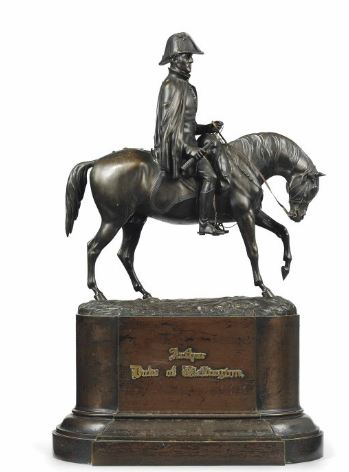
3. The Duke of Wellington (1769-1852)

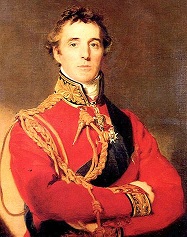
wellington

When Arthur Wellesley returned from 8-years service in India the first place he stayed was with the Wellesley-Pole family in Blackheath, for he was at that time unmarried and had no London home. However, he was to repeat the exercise in 1814 when he triumphantly returned from the Peninsular War following Napoleon’s surrender and exile. It’s very telling that the newly ennobled Duke of Wellington chose Savile Row rather than his own marital home. Imagine if you can the thousands of people who gathered outside, mounting a daily vigil to catch a glimpse of their conquering hero. Wellington remained at Savile Row for a month before returning to Paris.

4. William Wellesley-Pole (1763-1845)

wwp by pistrucci

Wellesley-Pole owned 3 Savile Row between 1797 and 1842. In his role as Master of the Mint Wellesley-Pole presided over the introduction of new silver currency that was to remain in circulation from 1817 right through until decimalisation in 1971.
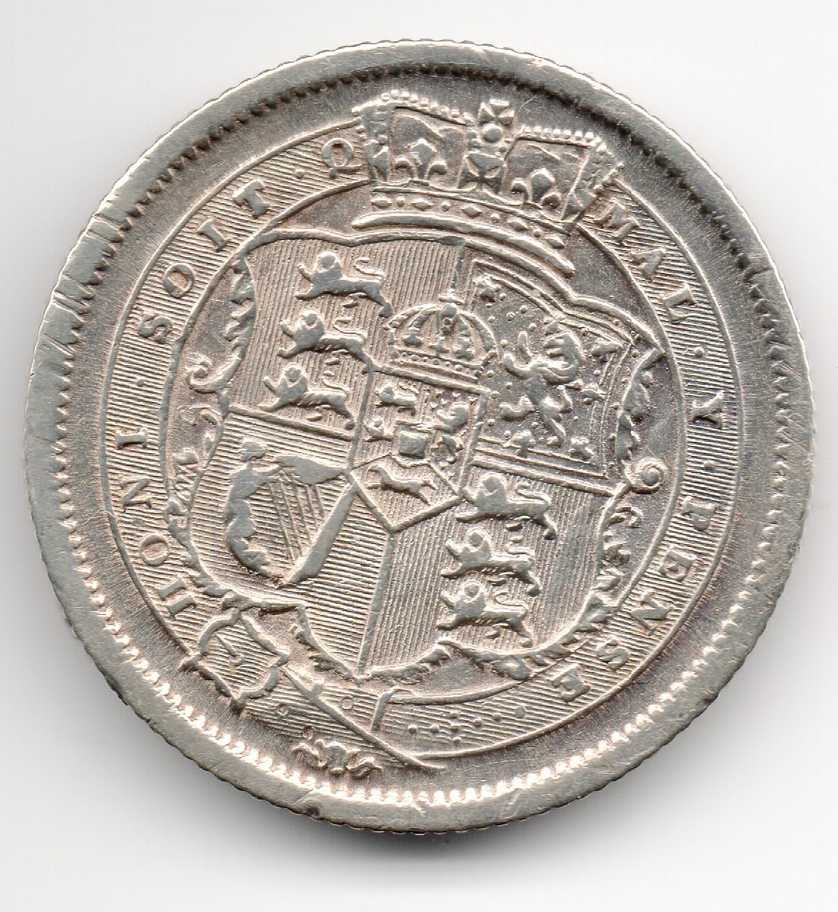
shilling

The humble shilling must surely be on of the greatest symbols of Britishness. Wellesley-Pole he also helped to create the instantly recognisable St George & Dragon motif designed by Benedetto Pistrucci which is still in use today.

double sovereign

5. The Bowler Hat (1849)

bowler hat

Quintessentially British – The bowler hat

Perhaps the greatest stereotypical representation of the English gentleman must be the wearing of a bowler hat. No 3 Savile Row can claim the distinction of being recognised as the place where the bowler hat originated. William and Thomas Bowler are credited with creating the first prototype for the bowler hat in 1850, but it is generally acknowledged that the hat was after a design by British soldier and politician Edward Coke, who was fed up with seeing his gamekeeper’s hats continually knocked off by low-hanging branches when out riding. When he was in Town, Coke lived at 3 Savile Row.

bowler2

Bowler hats have travelled up the social spectrum

Initially very popular with the Victorian working classes, the bowler hat went on to become standard uniform for middle-class businessmen, and by the 1960s it had elevated to the aristocratic realm.

6. The Beatles (1969)

beatles

On January 30th 1969 the Beatles played their last ever public performance on the roof of Apple Records HQ at No 3 Savile Row. Just a year earlier the Beatles paid £500,000 to purchase the mansion and they are said to have spent the best part of 18 months living there leading up to that famous rooftop escapade.

advert

Not surprisingly, to this day 3 Savile Row is still considered a tourist attraction for Beatles fans and there has been a steady clamour for a blue plaque to recognise their use of this building.

Conclusion

Whilst researching this post I came across a reference to Lady Hamilton, Admiral Nelson’s lover, stating that she too once lived at 3 Savile Row. But I have not included her in this blog as I can’t see where she would fit in this timeline, unless she rented the property before General Ross. However, I think there is sufficient here to demonstrate that we should hold Savile Row dear not just because of the Beatles, or to keep American tailoring out of this important British fashion location, but because of its connections to everything British: from the stiff upper lip (Forbes), to military escapades (Ross & Wellington), the British currency (Wellesley-Pole), Quintessentially British headwear (Bowler hat), not to mention The Beatles.

In fact No 3 Savile Row has given us a wealth of characters and symbols that mean a lot to our notion of Britishness.

Kier Holdings paid £20 million for the mansion in 2009 but its fate today remains undecided. Who knows what the future holds…

demo

If they knew their history, these chaps would be wearing bowler hats!

Links

A marvellous set of 1950s photographs showing some amazing interiors of No 3 Savile Row

For more info on General Ross I recommend War of 1812 website

The Daily Telegraph has written a splendid history of the bowler hat

Until such time as Geraldine Roberts Angel and the Cad is published by MacMillan, my main focus on this blog will be Wicked William’s father Wellesley-Pole. There is much to write about Wicked William so stay tuned on that score!

However, you might like to know about Wicked William and the Epping Hunt, or why the Duke of Wellington considered him lamentably idle – alternatively you could always read about the death of a Regency Prizefighter

I hope you have enjoyed this post and would be most grateful for any feedback for any additional information you may be able to provide to fill in the gaps.

‘No one likes us, we don’t care’ – Wellesley-Pole & Pistrucci

The Mint with a Pole – Part 3

Intro | Waterloo Medal | Pole & Pistrucci | The Great Re-coinage | Exit & Legacy

pistrucci image 1826 by cf voigt

Benedetto Pistrucci – Would you mess with him?

Wellesley-Pole’s recruitment of Pistrucci for the Royal Mint in 1815 was both a brave and also deeply unpopular decision. These two firebrands came together under a storm of controversy, yet successfully adopted a classic ‘bunker’ mentality to achieve new heights of numismatic brilliance. Benedetto Pistrucci (1783-1855) was born and educated in Rome. At the age of 15, he was placed with the gem-engraver Nicolo Morelli (1771–1830), whose patrons included the Pope and Emperor Napoleon. His talent for carved cameos was quickly evident as he obtained first prize in sculpture from the drawing academy at Campidoglio. Pistrucci remained in Rome until he was in his forties, producing a combination of portrait cameos and engraved gemstones. Hoping to enhance his reputation further Pistrucci moved to France around 1814. But his arrival coincided with Napoleon’s defeat and exile, so he met the Duke of Wellington and his brother Wellesley-Pole rather than the French Emperor (to whom he had hoped to present a cameo). By the time Wellesley-Pole returned to London to become Master of the Mint, Pistrucci was already there causing ripples of disapproval in artistic circles.

2014GW2957

Pistrucci intended this cameo for Napoleon (Paris 1814), but he was ‘Gone Away’

Having spent over a quarter of a century perfecting his skills Pistrucci was supremely confident in his ability and unwilling to reverentially defer to established English artists. In 1815 Pistrucci attended a party at Sir Joseph Banks’ home where a Mr Payne Knight exhibited an engraved gem believed to be an ancient relic, having been purchased some years earlier from Mr Boneli an art dealer from Golden Square. To the astonishment of the assembled guests Pistrucci announced that he had created the gem in his workshop and sold it to Boneli for twenty Roman crowns. This assertion was challenged not only by Boneli (who insisted that Pistrucci had merely polished up an ancient gemstone) but also by several renowned experts present. It was declared that there was ‘no living artist so capable’ as to have manufactured such an item. So Pistrucci offered to make a replica and present it within three months in proof of his claim. He duly delivered a near perfect match, but without the signs of wear and tear evident on the original – and he demanded £50 payment from Payne Knight for his troubles. But Knight refused to pay or to submit both items for independent adjudication.

head of flora

The ‘Head of Flora’ – which Pistrucci claimed to be his own design

So in some circles Pistrucci found himself labelled a forger and a charlatan trying to extort money from a well-known patron of the arts. But all was not lost for he acquired a vital ally in the form of Sir Joseph Banks (1743-1820). Banks was the long-serving President of the Royal Society which had a traditionally paternalistic control over the policies and activities of the Royal Mint. Knowing that Wellesley-Pole was looking for an artist to work on designs for the new coinage Banks introduced Pistrucci – but left the final decision wholly with the Master of the Mint.

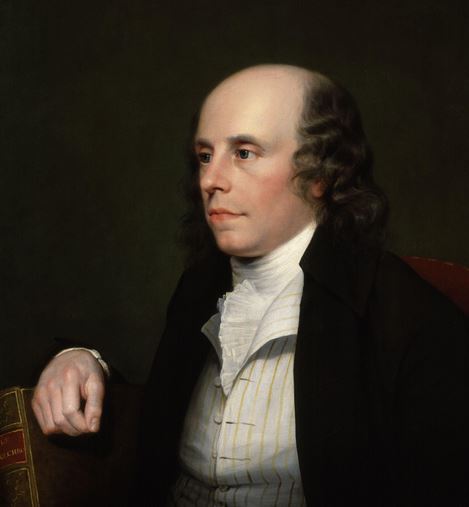
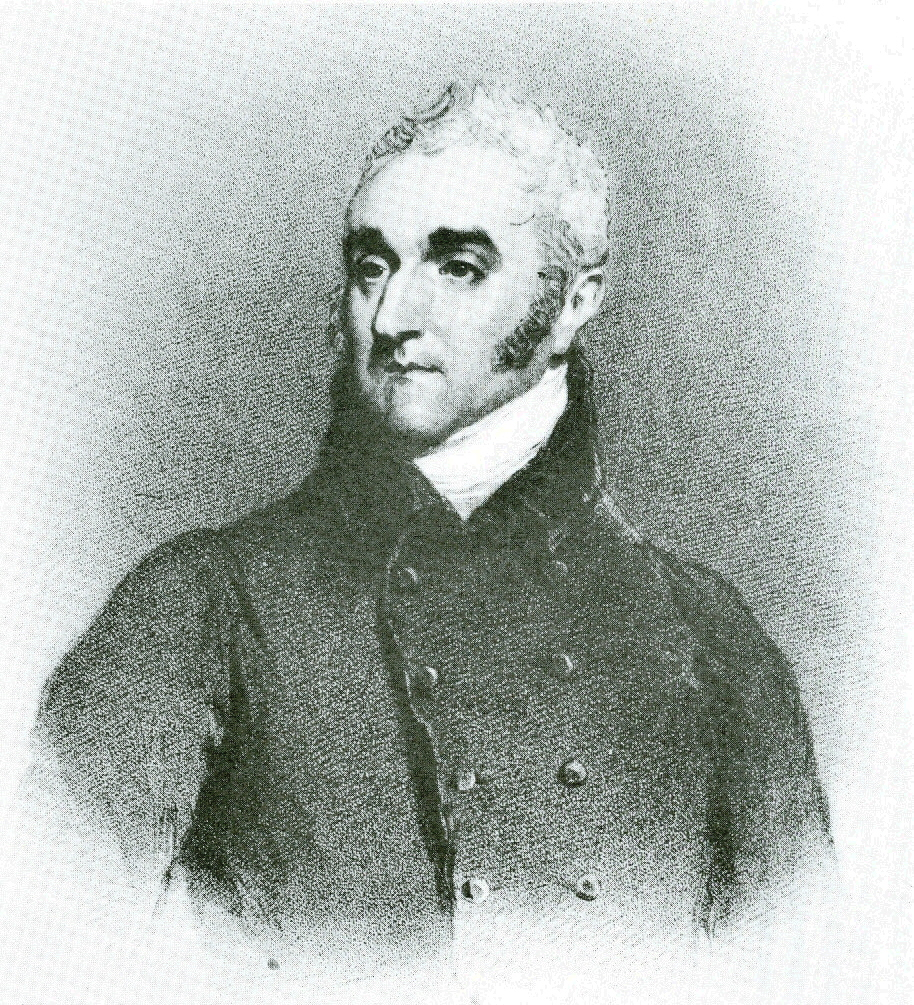
wellesley pole

Wellesley-Pole looking calm and collected for a change

Wellesley-Pole soon encountered problems when he brought Pistrucci into the Mint. His Italian friend had initially submitted artwork for approval, including the now famous St George and Dragon design. But when chief engraver Thomas Wyon copied Pistrucci’s model he could not match the original. Wellesley-Pole realised he was on to a winner and paid Pistrucci 100 guineas to create the template himself. This caused ill-feeling at the Mint, which worsened after Wyon unexpectedly died. Wellesley-Pole knew no one could replicate Pistrucci’s work, so he backed his man unequivocally. Pistrucci was employed as an engraver for £500 per annum, offering him accommodation at the Mint. Wellesley-Pole acquired Pistrucci’s services on excellent terms considering that the initial contract for 100 guineas only entailed a week’s work. Pistrucci was permitted to augment his pay by carrying out private commissions, and brought his family over from Rome. However he worked up to 18 hours a day at the Mint in these early years, leaving no time for freelance projects. Staff at the Mint resented Pistrucci because he was an alien. Their antipathy lasted decades during which time he was not allowed to be called ‘Chief Engraver’.

On 11th July 1815 Wellesley-Pole invited 12 members at the Royal Academy, including Sir Thomas Lawrence, John Flaxman, and his close friend Joseph Nollekins to submit designs for the Waterloo Medal. The letter clearly stated

This can only be done by the aid of the First Artists belonging to the Royal Academy

flaxman

John Flaxman (1755-1826) – was not deemed good enough by Wellesley-Pole

But when the Royal Academy nominated Flaxman’s design for the larger Waterloo Medal, Pistrucci refused to copy it, declaring that it went against his artistic principles. Instead he submitted his own proposal which was approved by the Regent. The Regent then asked for his portrait by Lawrence to be copied for the obverse face of the medal. But when Wellesley-Pole went to see him at his studio, Pistrucci had turned Lawrence’s painting to face the wall and pointedly refused to comply even when threatened with dismissal. He said he wanted to create the Regent ‘from life’. It was an awkward situation, for Wellesley-Pole had agreed a fee of £3500 for this commission, £2000 of which had already been paid. Additionally, he was over a barrel regarding the new coinage. Remarkably Wellesley-Pole persuaded the Regent to back down, and Pistrucci got his way. The Royal Society was enraged by the Mint’s rejection of Flaxman and Lawrence’s artwork. A senior British Museum antiquary said ‘a more intimate knowledge of the talent that existed in the Kingdom…would have saved [Wellesley-Pole] from the reproach of unnecessarily insulting the whole body of native artists’.

double sovereign

Pistrucci’s iconic St George & Dragon motif – still in use today. Note his initials (bottom right)

To get some idea of the resentment stirred up by Wellesley-Pole’s appointment and dogged support for Pistrucci you only have to look at the press between 1816 and 1819 where numerous anonymous letters lambasted their partnership. Even though the Great Re-coinage was an unqualified success the barbed comments kept coming. For example the Morning Chronicle of October 29th 1818 stated

The execution of the coin of the Realm…[occurred] through the anti-national bad taste of the Master of the Mint shamefully [working] after the designs of the Italian artist.

wwp coin marks

Despite Wellesley-Pole’s private marks being very small and subtle he was likened to Cardinal Wolsey

Wellesley-Pole was delighted to discover ‘I am empowered to place such private mark as I choose [on all coin], and I have chosen my initials…WWP’. The press accused him of ‘smuggling his initials’ onto the new sovereign and they were quick to publish his reply: ‘I shall be impeached for putting my initials on the coin of the realm, as Cardinal Wolsey was for placing a cardinal’s hat on the coin of Henry VIII!’  Such was the level of vitriol probably originating from jealous and resentful members of the Royal Academy that Wellesley-Pole was compelled to make a statement in the House of Commons setting the record straight. Pistrucci fared similarly when exercising his right to leave a mark on designs used in the new coins

Pistrucci the artrist who executed the die for the Crown piece is determined that his name shall be transmitted to posterity. It is engraved at full length on both sides of the coin!! For this specimen of vanity and presumption he has no precedent

Reports on the design of the Double-Sovereign in 1819 reveal the depth of animosity against both men

Mr Pistrucci whose happy knack of making strong likenesses is well known to the British public has presented a faithful resemblance of himself in the cavalier… with a melting pot instead of a helmet. In the beast on which he is mounted the public will recognise… the Master of the Mint differing however from the Grecian charger… by a striking addition to the length of his ears… so that the whole figure on the new coin resembles a jack-ass. [In fact] the initials W.W.P are impressed on his hind-quarters… so Englishmen in future ages will not look at the jack-ass without thinking of Mr Pole.

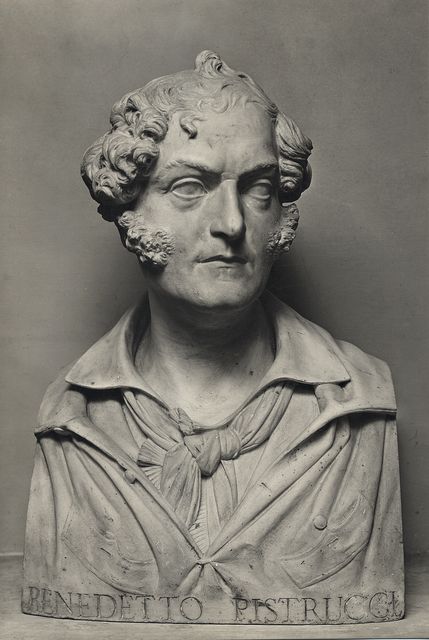
pistrucci bust

In Pistrucci, Wellesley-Pole found a like-minded character. Both men were hot-headed perfectionists unwilling to compromise in pursuit of their goals. Wellesley-Pole correctly identified Pistrucci as the man to revolutionise British coinage and backed his man to the hilt. But the consequence for both men was an estrangement from the established body of artists, and fellow Mint employees. In fact it was the Mint’s unwillingness to accept Pistrucci as Chief Engraver and their pointed omission of his name from their Red Book that led to the 30+ year delay in Pistrucci delivering the dyes needed to produce the larger Waterloo Medal.  Pistrucci complained long and often that he was promised the role of Chief Engraver by Wellesley-Pole and he genuinely feared that the Mint would cast him aside as soon as he was no longer considered essential.  So he dragged his heels for decades and by the time the dyes were presented only the Duke of Wellington remained alive of the leaders involved in the Battle of Waterloo.

Waterloo-medal-A

Though Pistrucci worked at the Mint until 1849, his most productive and inspirational phase was under Wellesley-Pole’s influence and support – between 1815 and 1820. It is fair to say that both men benefitted from each other’s obstinacy and drive for perfection. No one liked them, but luckily for us, they didn’t care because their collaboration produced coins considered to be ‘the finest that had ever been issued in Europe’.

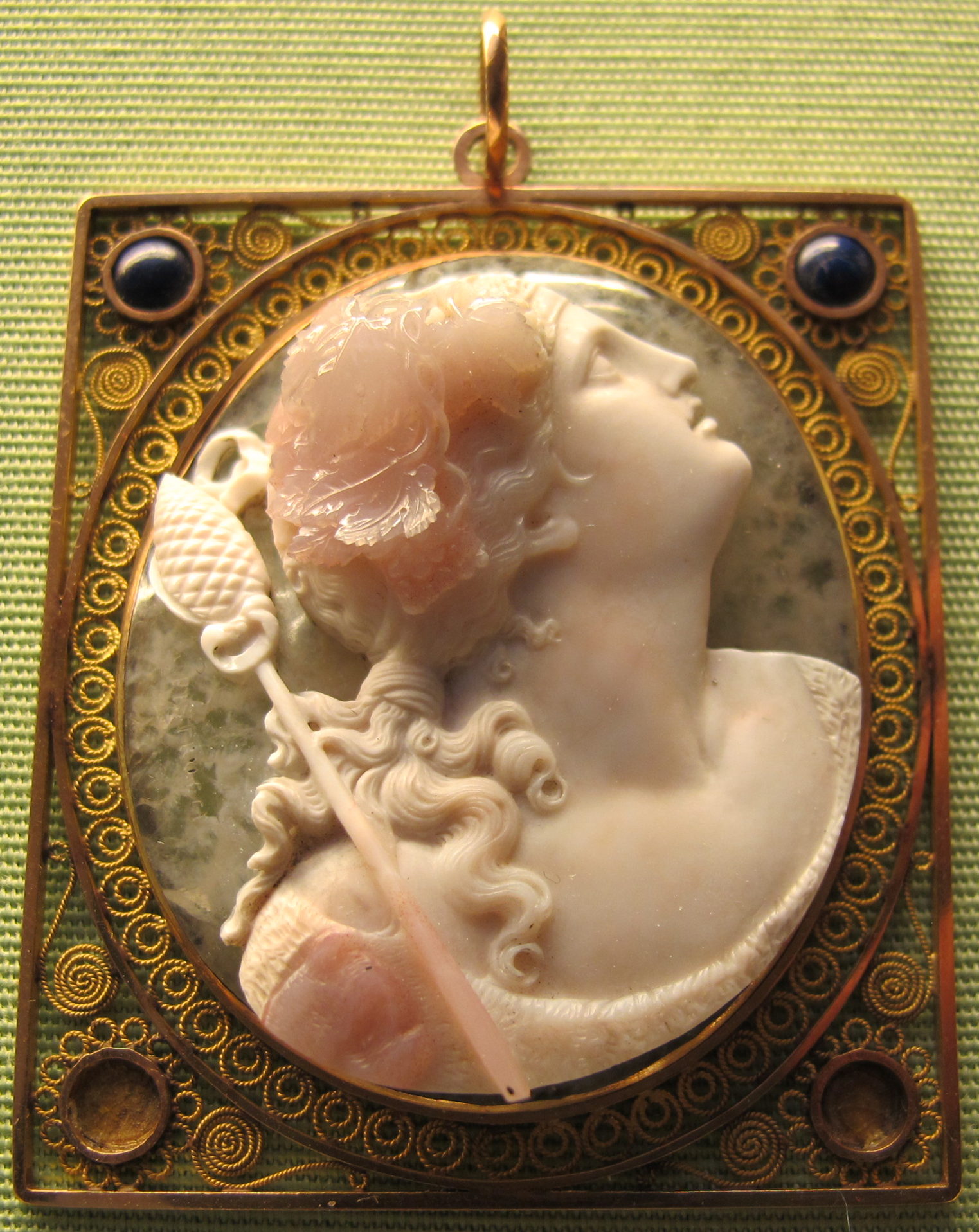
pistricci work

Example of Pistrucci’s earlier cameo work c.1810

Pistrucci was undoubtedly an essential cog in Wellesley-Pole’s machinery at the Mint, but my next part will focus on the incredible logistical achievement of The Great Re-Coinage in 1817…

Sources Used

  1. Greg Roberts unpublished dissertation ‘The Forgotten Brother’ (2009)
  2. Billing A., Gems, Jewels and Coins (London: Bell and Daldy, 1867)
  3. Humphreys H., Gold, Silver and Copper Coins of England (6th Ed, London: Bohn, 1849)
  4. British Library Add. MSS 39791
  5. Hayward J., Waterloo- The Medal, www.greatwarhistoricalsociety.com
  6. Bagot J., George Canning and Friends (London: Murray, 1909)
  7. Images of Wellesley-Pole marks on coins courtesy of The Royal Mint Museum

In November 2014 it was announced that Pistrucci’s Waterloo Medal had finally been struck, nearly 200 years after Wellesley-Pole commissioned it. The medal was presented to representatives of Britain’s allies at the Battle of Waterloo in a ceremony held at Apsley House, The Duke of Wellington’s London home

ceremony

Better late then never- Britain’s allies thanked for Waterloo

To find out more about Pistrucci’s Waterloo Medal visit The Royal Mint Museum

Waterloo 200 organisation will produce 500,000 Waterloo Medal replicas as part of events to mark anniversary of Wellington’s victory

For more information Pistrucci’s famous ‘head of flora’ cameo visit the British Museum

Traditionalists will be pleased to see that the Royal Mint are producing a 2015 Sovereign in which Pistrucci’s mark is clearly visible

To find out what Wellesley-Pole got up to after he left the Mint, watch him go to the dogs or if you want to know more about Wellington’s devotion to his staff you may enjoy Wellington & Raglan


Waterloo Medal: a Wellesley-Pole production

The Mint with a Pole Part 2 – The Waterloo Medal

Intro | Waterloo Medal | Pole & Pistrucci | The Great Re-coinage | Exit & Legacy

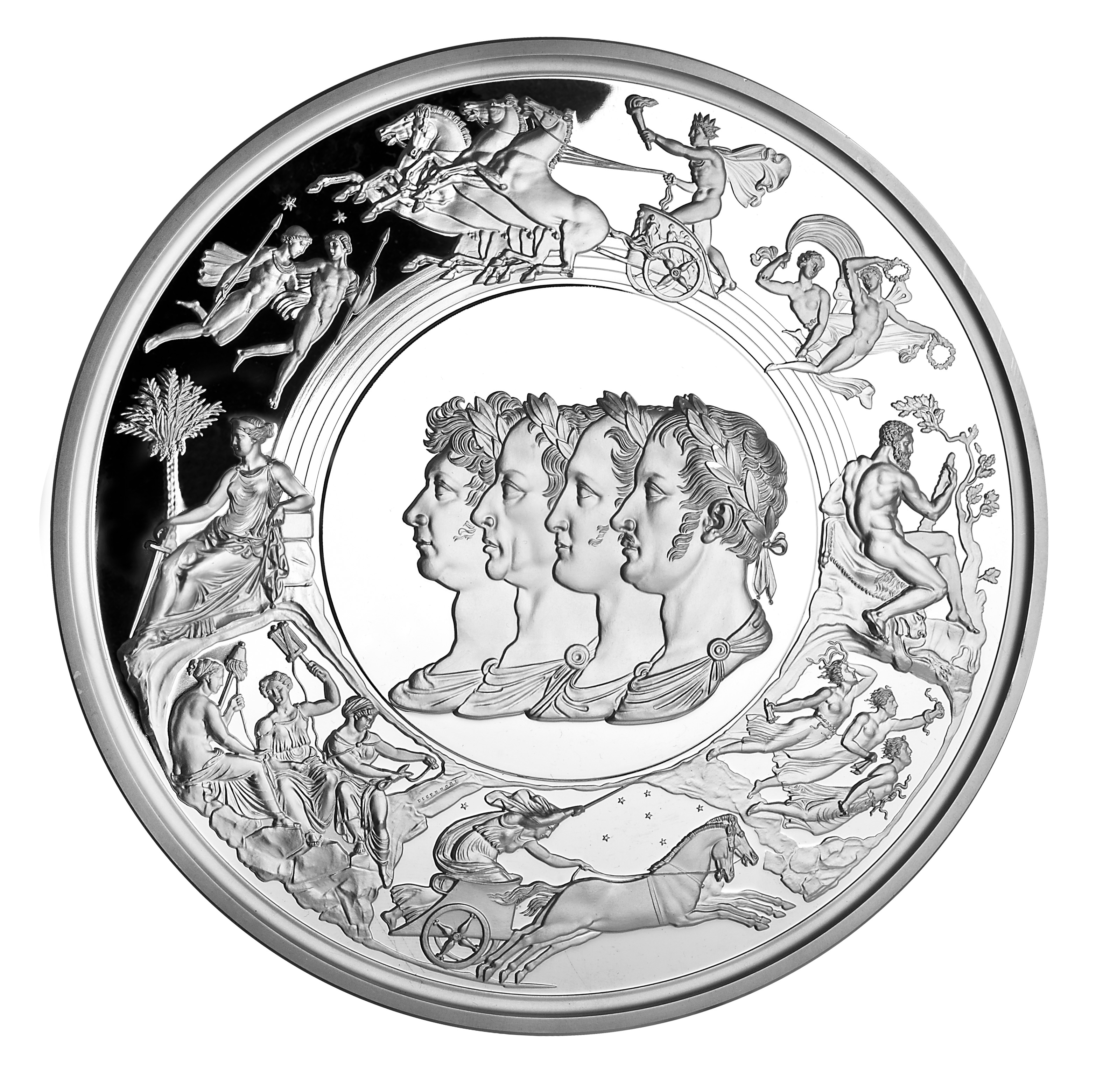
waterloo medal

Take a look at Wellesley-Pole’s unique Waterloo Medal
  • The first medal issued by the British Government to all soldiers present at an action.  
  • The first campaign medal awarded to the next-of-kin of men killed in action.
  • The first medal to be individually inscribed

But how did the Waterloo Medal come about?

waterloo battle

Survive this and get an individually inscribed medal!

On 28th June 1815, Wellington suggested ‘giving the non-commissioned officers and soldiers engaged in the Battle of Waterloo a medal.’ His brother Wellesley-Pole interpreted this as an opportunity for the Royal Mint to ‘show the world that this country is as superior in her [arts], as she has lately been proven to be in the skill and valour of her arms’. Accordingly on 11 July, he wrote to the Royal Academy inviting designs for two proposed medals.

One in Gold, of the largest size…will probably be given to each of the Sovereigns in Alliance with the Prince Regent, to their Ministers and Generals…The other… of small size to be given to every Officer and Soldier … who was present at the Battles

Wellesley-Pole was caught up in the euphoria of the victory against Napoleon and his impatience to get underway was immediately apparent. He restricted the design competition to the larger medal after mint employee Thomas Wyon put forward a cameo of the Prince Regent, copied from Sir Thomas Lawrence’s famous painting, which was approved for the smaller medal. Wellesley-Pole was so impressed that he promoted 23-year-old Wyon to Chief Engraver on 13th October. It was a typically bold move, showing his readiness to support those he believed in, even if it made him unpopular.

names list

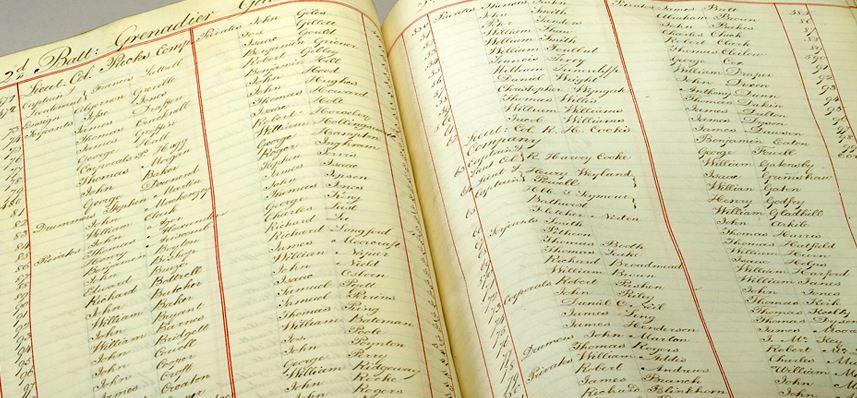
A list of Waterloo participants was meticulously compiled

At the end of August, Wellesley-Pole detailed how the operation was to be coordinated. He had already sent a flurry of letters to the regiments asking for a comprehensive list of eligible soldiers. He also incentivised Mint staff by offering £100 prize money for finding a way to modify milling machines to allow the edges of medals to be individually inscribed. The level of detail of Wellesley-Pole’s instructions provides a fascinating insight into his methods.

The Moneyers’ work begins tomorrow morning (31 Aug) …and if the Rolling and Cutting continue without intermission for 10 hours each day, Sundays excepted…The Cutting may be finished on Monday night (4th Sept). The Blanks will begin Milling on Monday morning (4th Sept); they will be finished ready for annealing on Thursday evening (7th September). The annealing will be done on Friday the 8th Sept…There must be six sets of Marking Machines made for Lettering the Medals – 18 Sets of Letters are wanting for the Machines… When the two Machines are at work the Lettering may be completed in 30 days, viz at the rate of one piece a minute, for each machine working 10 hours a day. The six sets of Marking Machines will be ready for working on the 11th September. Supposing we begin to letter on Monday the 12 Sept, the Lettering may be finished by the 20th October….Mr Wyon will be ready with his Dyes by the 10th of Oct. If we work 8 Presses at the rate of a Piece per minute for each Press (working 10 hours a day) the Forty Thousand Medals will be struck in Ten days, and be ready for delivery on the 9th of November.

He demanded total commitment from all concerned. It is almost like a team talk.

I rely upon the…the utmost exertions… to complete the work. The whole grace of the distribution of the medals would be lost if any unavoidable delay was to take place in their issue; and, in the very perfect state of the machinery of the Mint, no excuse could be allowed to us by the public in such an event. You will be so good as to let it be generally understood that…no branch of the manufacture is to relax its efforts under an idea that it will be ready before any other branch is prepared to carry forward the work. Every person is to act as if the whole measure depended upon his individual exertions.

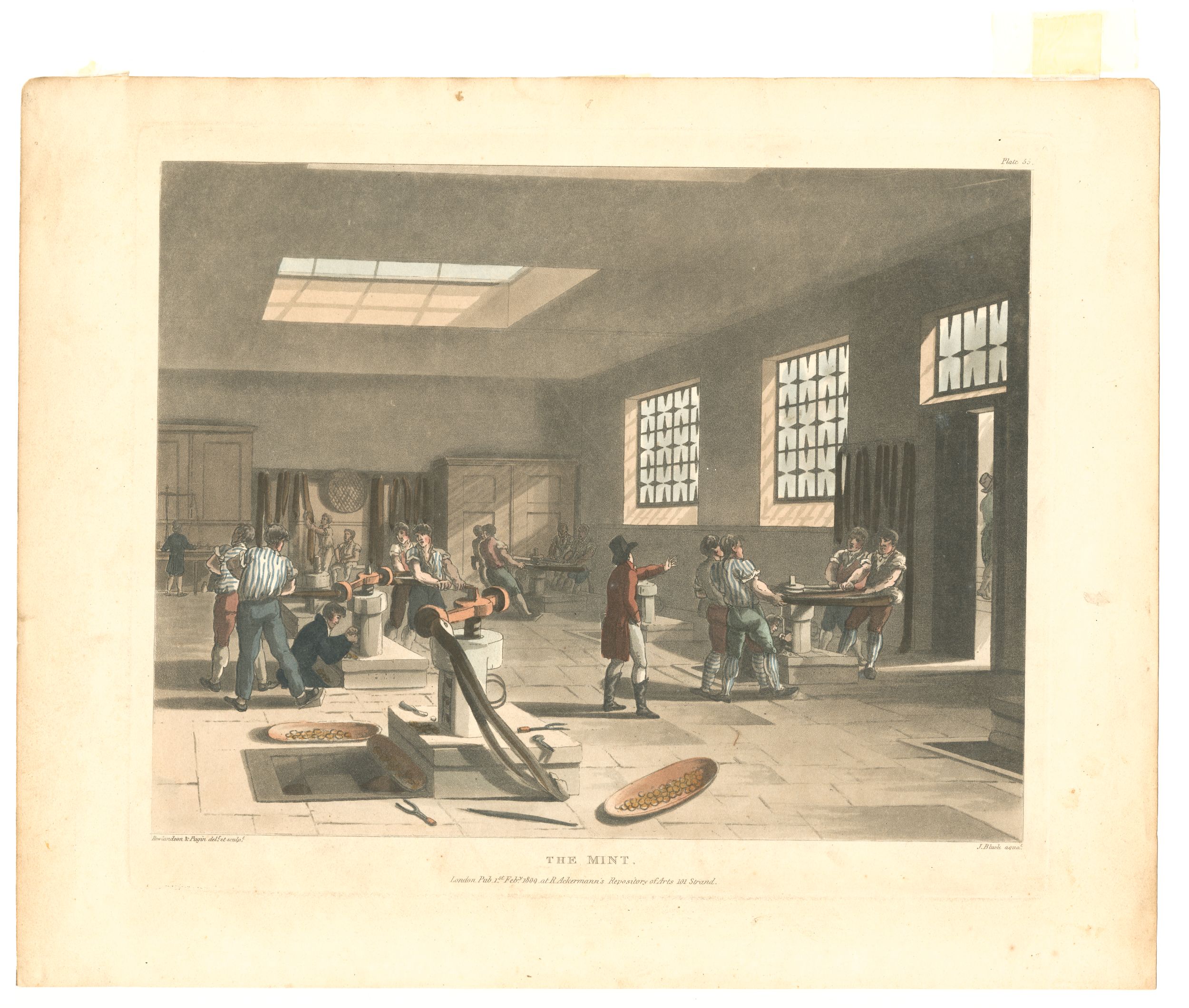
works at the mint

Wellesley-Pole was a great believer in teamwork

Progress was delayed after a fire at the Mint in September, then a late decision by the Prince Regent to strike the medals in silver instead of bronzed copper. The Bank of England received a request for 60 thousand ounces of fine silver on 19th January 1816, and incredibly the finished product was ready to ship by 3rd March. Wellesley-Pole wrote

I propose packing the Medals in Boxes marked on the outside so as to specify the Corps or Regiment to which the Medals within may belong; and there will be packed in each Box a copy of the List transmitted … The Name of each Officer and Man is impressed upon the edge of the Medal destined for him, and care will be taken to pack the Medals in the order in which the Names stand on the several Lists…I am in hopes that we shall be enabled to deliver finished Medals… at the rate of about 1000 per day from this time forward.

In all, just under 40,000 medals were awarded, with the vast majority sent out without fault in quality or individual inscription. Such a monumental logistical achievement was to prove a trial run for what was to follow at the Royal Mint under Wellesley-Pole.

pole signature

Another project successfully signed off by Wellesley-Pole

After the work was finished, Wellesley-Pole ordered 50 individually-inscribed medals as gifts to Ministers, senior Mint officials and friends. Everything was transparent and above-board: ‘The Deputy Master of the Mint will be so good as to pay the expense of these Medals and charge it to [my] private account’.

Yet Wellesley-Pole’s hard work met with some controversy as Peninsular War veterans felt justifiably aggrieved that those who were present at Waterloo—many of them raw recruits, who had never seen a shot fired in anger—should receive such a meaningful prize; while they, who had served the whole war, received nothing beyond a Parliamentary vote of thanks. If you know anything about Wellesley-Pole at this stage, such understandable yet also unfair criticism is about par for the course.

So Wellesley-Pole’s administrative brilliance and innovative team-building ethos at the Mint was once again subsumed by suspicion and hostility that seems to have dogged his entire career.

Never could this be better demonstrated than in Part 3 where Wellesley-Pole joins forces with another unpopular firebrand, namely Benedetto Pistrucci…

Sources Used

[1] Gurwood J., Wellington Supplementary Dispatches, (10 Volumes – London: Murray, 1871)

[2] British Library Manuscripts Add.MSS  39791

[3] Hayward J., Waterloo: The Medal, www.greatwarhistoricalsociety.com

[4] Royal Mint Museum (image of Waterloo Medal ledger)

Lord Liverpool’s Masterstoke

Creating Tradition – Wellesley-Pole and Ascot (Part 2)

How Wellesley-Pole came to be Master of the Buckhounds, 1823

Intro | Master of the Buckhounds | The Age of Reform | Anger Management | Legacy

buckhounds

Where’s Wellesley-Pole? Why, He’s Gone to the Dogs!

All things considered 1823 was not a great year for William Wellesley-Pole. After 9 successful years as Master of The Mint culminating in his deserved elevation to the peerage (under the title of Lord Maryborough) Wellesley-Pole fully expected to earn a senior Cabinet position upon Lord Liverpool’s ministerial reshuffle. But when the Prime Minister summoned Wellesley-Pole in January 1823 he dropped the bombshell that our man was surplus to requirements. To put it bluntly, Wellesley-Pole had reached the end of his useful life and the time had come for Liverpool to bring in new blood, such as Robert Peel and the racey and exciting William Huskisson,  who would help to bolster his unpopular administration

But Wellesley-Pole’s reaction placed Lord Liverpool in a quandary, for he flew into a rage and point blank refused to leave the Cabinet. Charles Arbuthnot recorded that Wellesley-Pole considered ‘the usage he has met with is quite atrocious & that he would not accept of any office but the one he has. He talked a great deal of stuff about the respect due to him as the Duke of Wellington’s brother, & in short, was like a madman.’ Such defiance of Prime Ministerial order threatened to undermine the very foundations of Liverpool’s Government. He had to get rid of Wellesley-Pole, but needed to devise a stratagem to achieve his aims without further rancour.

liverpool  wellesley-pole hulk

Lord Liverpool didn’t like Wellesley-Pole when he was angry

In the Autumn of 1823 Liverpool at last found the perfect opportunity to offload his angry Minister. He did this by exploiting Wellesley-Pole’s close relationship with King George IV. The death of Charles Cornwallis on 9th August created a vacancy in the Royal Household, in the office of Master of the Buckhounds. Wasting no time at all Liverpool wrote to the King suggesting that Wellesley-Pole wanted to apply for the job because he was practically George IV’s number one fan.The King was led to believe that Wellesley-Pole he always dreamt of having a country home near Windsor, but that he was far too modest to apply. Needless to say the King was receptive to such gushing adulation, took up his pen and wrote a plea for Wellesley-Pole to take the job. Perhaps with Liverpool’s connivance the salary offered was generous-  plus he was promised the gatehouse to Windsor Park upon which to make his establishment.

When Wellesley-Pole received the King’s letter has was surprised and flattered, but unsure as to whether a man of his age (60 years old) could be capable of taking on such a youthful and athletic role. However it was a place in the Royal Household dating back to the 1300s which appealed directly to Wellesley-Pole’s strong respect for of tradition. For Mrs Wellesley-Pole it was a no-brainer because she really did want a country retreat and this golden opportunity was quite simply too good to pass up. The King’s offer was therefore speedily and gratefully accepted.

It was only after the deal was done that Liverpool played his trump card. He wrote to Wellesley-Pole congratulating him on his appointment to the Royal Household but reminding him that an employee of the King could not be a Cabinet Minister – since the King would be embarrassedby the accusation of putting his own men into Government. This was a masterstroke leaving Wellesley-Pole no option but to fall on his sword – for he could not go back on his word to the King, still less dash his wife’s hopes of rural paradise. In private Wellesley-Pole roundly abused all in Government, not least the Duke of Wellington in whom he felt a keen sense of betrayal, but the fear of upsetting the King meant that ultimately Wellesley-Pole went quietly into political retirement.

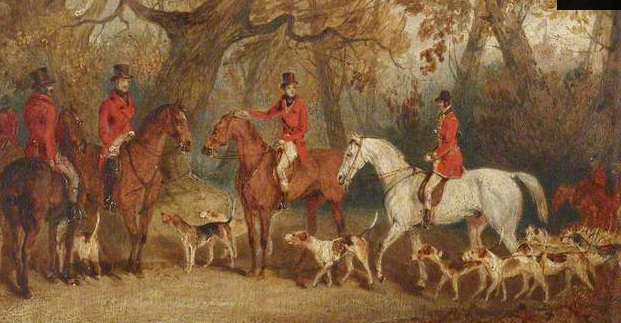
buckounds at salt hill

The Buckhounds at Salt Hill, near Windsor c.1850

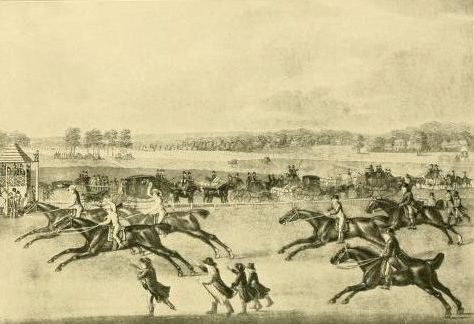
So just what was Wellesley-Pole letting himself in for? Well its fair to say his task largely involved acting as the Royal entertainments officer. This principally involved gathering the horse and hounds together for organised hunts, usually in Windsor Forest; but from the mid-1750s it began to embrace other sporting activities – particularly equine sports. Because the Royal Family controlled the wardenship of Windsor Forest, their patronage over horse-racing at Ascot Heath was long-established – dating back to Queen Anne (1711). Responsibility for ‘Royal Ascot’ really was the jewel in the crown of duties expected from the office of Master of the Buckhounds.

royalascotregency

Ascot Heath Races – The ‘Royal’ tag was to come much, much later

It is no secret that Wellesley-Pole had a hot temper, or that he could be a very fearsome adversary when roused. But his temper tantrums were never of long duration and, like his brother Wellington, he refused to let emotion become an obstacle to giving his all in service of his country.

Just a month after taking up his duties, Charles Bagot saw Wellesley-Pole ‘in light buckskins with a jockey cap and gold couples to his belt’ acting as Master of the Buckhounds. Wellesley-Pole insisted he was ‘exceedingly pleased with the appointment…he was getting tired of politics and the hounds were just the hobby he would most like.’ Whether this was bravado or the plain truth, it was obvious that Wellesley-Pole was going into this job enthusiastically. He quickly realised its possibilities went far beyond dog-minding,  offering him the chance to take control of Royal Ascot, a once great event whose reputation was tarnished by years of disorganisation  and neglect. Nearby racetracks (such as Epsom and Newmarket) threatened to leave Ascot in their wake. So, for Wellesley-Pole the task was on!!

So, on 13th October 1823 the King’s staghounds made their first appearance of the hunting season, near Winkfield Plain at Windsor. Several ladies in carriages and a great crowd of ordinary folk turned up to witness Lord Maryborough’s debut as Master of the Buckhounds- and to witness how a Cabinet Minister really had gone to the dogs.

To find out more about how brilliantly devious Lord Liverpool could be you should look no further than Norman Gash, whose The Life and Political Career of Robert Banks Jenkinson, Second Earl of Liverpool 1770–1828  was first published in 1984. Sadly Norman died in 2009 but a new paperback version of his book is due for publication in 2015.

For more on Wellesley-Pole’s hot-headedness, and how he turned anger into a positive energy, you may like to read his battle to save a tramp.

To find out how Wellesley-Pole ‘created’ Lord Wellington please read my guest blog on Number One London

I’d love to hear any comments or questions you may have about the Wellesley-Pole family, not least Wicked William, the blackest of all black sheep. So please contact me and I’ll be delighted to respond.


Creating Tradition: Wellesley-Pole & Royal Ascot


Tell Lord Maryborough that whatever may happen to me, I declare no interruption may be given to the races at Ascot

King George IV on his deathbed June 11, 1830

Intro | Master of the Buckhounds | The Age of Reform | Anger Management | Legacy

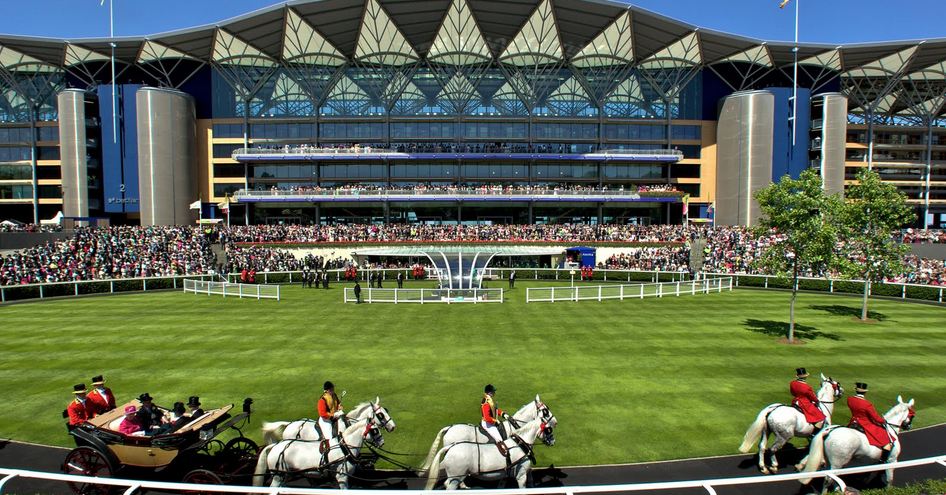
modernday royal ascot

Modern day Ascot -a beautiful race venue

A day out at Ascot Races earlier this month encouraged me to look into its history in the hope that Lord Maryborough (William Wellesley-Pole) would feature prominently. But despite his pivotal role in elevating Royal Ascot from a run of the mill race meeting to a must-see event in the British sporting calendar, I could find no commemorative picture or plaque adorning the walls of Ascot’s magnificent new stand. Ascot’s website is equally unforthcoming in its brief history page – meaning that Wellesley-Pole (as per usual) has been airbrushed from history.

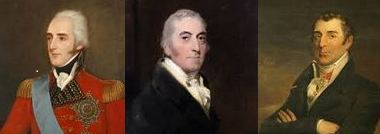
 brothers

Spot the nonentity? – Wellesley-Pole (Centre)

Sandwiched between successful brothers Richard (Marquis Wellesley – Governor General of India 1797-1805, Foreign Secretary 1809-1812) and Arthur (Duke of Wellington), Wellesley-Pole is destined to remain in the shadows. But this hardly justifies why numberless books about the Wellesley brothers feature Wellesley-Pole in a cameo only – He flits about like a kind of pantomime villain – a social climber, grasping opportunist and perpetually angry ‘with anything and anyone’ who gets in his way. I’m not sure what is worse about these assessments – the lazy complacency of poor historical research or the complete inability/unwillingness to place Wellesley-Pole in his correct context. Because the fact is that even a rudimentary study of Wellesley-Pole reveals the important role he played in establishing and consolidating the Wellesley family dynasty.

waterloo medal

Wellesley-Pole’s Waterloo Medal (1816)

coin


It doesn’t come more iconic than this! Wellesley-Pole’s Gold Sovereign (1817)

In his own right Wellesley-Pole was responsible for the Waterloo Medal (1816), opening of Waterloo Bridge (1817) and the iconic Britannia design for gold sovereigns (1817). As Master of the Mint (1814-1822) his finest achievement was the introduction of new silver currency in 1817, dubbed the ‘Great Recoinage’. Over a period of two weeks Wellesley-Pole organised the nationwide distribution of 2.6 million coins whilst simultaneously collecting up and melting down all the old currency – a task completed without a single mishap –at a time when there was only a rudimentary transport and communication system in Great Britain. Sir Joseph Banks enthused

The bold manner in which [Wellesley-Pole] devised, and… executed one of the most difficult works…during the present Reign, or possibly any former one, does honour to the name of Wellesley

This new silver coinage was to remain legal tender right up until 1971. That’s over 150 years in which Wellesley-Pole’s handiwork permeated every nook and cranny of British society – becoming a recognisable symbol of Britishness – His coins even outlasted the Beatles (whose last public performance was coincidentally held on the roof of Wellesley-Pole’s old family mansion in Savile Row). All this and no blue plaque!!

savilerow

No 3 Savile Row, Wellesley-Pole’s mansion & latterly Apple Studios

This series of blogs will look at Wellesley-Pole’s 7-year tenure as Steward of Royal Ascot, a time in of great change, during which Ascot’s place was embedded in the annual sporting calendar. This may not be the most important duty Wellesley-Pole undertook in his many years of public service– but it tells us a lot about him as a man – revealing both his brilliant and irrational nature. (Links will come live as they are added)

  1. Master of the Buckhounds – How Wellesley-Pole was unceremoniously dumped from the Cabinet and duped into accepting a role in the King’s Household – which included responsibility for Ascot races.
  2. The Age of Reform – Detailing structural, ceremonial, and organisational changes effected by Wellesley-Pole  as Chief Steward of Ascot between 1822 and 1830
  3. Anger Management – A look at the advantages and disadvantages of Wellesley-Pole’s hot temper, and how it led to his departure from Ascot
  4. Legacy – Why Ascot ought to re-examine its history and traditions to give Wellesley-Pole the credit he deserves

For more information on Ascot Racing visit their website or read the BBC’s brief history

For more equine-related japes on this blog you might like a brief history of the Epping Hunt


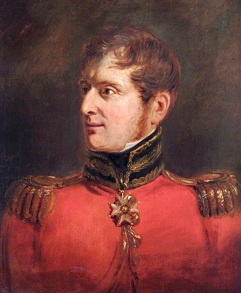
Fitzroy Somerset gave his right arm for Wellington – but was it reciprocated?

wellingtonsmall   fitzroy somersetsmall

Brothers in arm? Wellington & Fitzroy Somerset

Perhaps the biggest cloud hanging over the military career of Arthur Wellesley, 1st Duke of Wellington is the perception that he was cold and unfeeling to his troops. Countless biographies remind us that the Iron Duke rarely showed his emotion. He was said to be prone to condescension to anyone that he deemed inferior – which was practically everyone. For many the legendary description of his men as ‘scum of the earth’ in 1813 underlines Wellington’s ruthless reputation – yet when the quote is used in full context the picture become less clear:
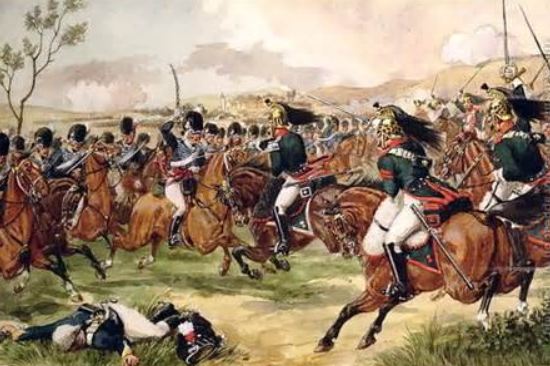
[these men are] the scum of the earth; it is really wonderful that we should have made them to the fine fellows they are

The above seemingly blatant insult could now be reinterpreted as Wellington’s appreciation for how far such lowly men had progressed under his command, though it was hardly a glowing compliment.  In fact there are many instances of Wellington’s sense of feeling in the arena of battle – and just how keenly he felt the loss of men under his command. Despite these occasions an over-riding sense remains that Wellington was never quite willing or able to give credit where it was due – even towards his closest military aides.
waterloo

Wherever Wellington went, Fitzroy was sure to follow (Waterloo 1815)

One such stalwart was Fitzroy Somerset, youngest son of the 5th Duke of Beaufort, who joined Wellington’s staff in 1807 and became his military secretary in 1811. In August 1814 Fitzroy married Emily Harriet Wellesley-Pole, Wellington’s niece (and Wicked William’s sister).  She was in Brussels with him and gave birth to a baby daughter just weeks before the battle of Waterloo. In the heat of the battle Fitzroy was shot in the arm by a French sniper, whilst he was fighting alongside Wellington. He was taken to a nearby farmhouse where the arm was amputated – but not before he insisted on removing a ring his wife had given him.
 

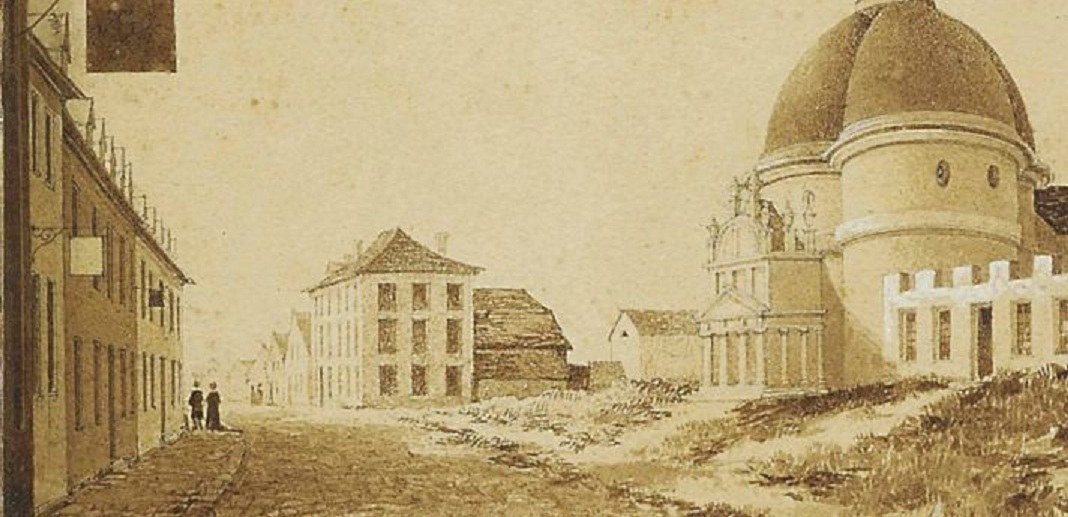
arm-loss siteAfter Waterloo, Fitzroy’s arm was amputated in this terrace (left)

One of the first duties Wellington had to perform on his return to Brussels was informing Emily of her husband’s situation, which can hardly have been the easiest news to impart to a young mother wrought with anxiety.

Shortly afterwards Wellington penned this letter to Fitzroy’s brother:

To His Grace to Duke of Beaufort
Bruxelles, June 19th 1815

My dear Lord
I am sorry to have to acquaint you that your brother Fitzroy is very severely wounded, and has lost his right arm. I have just seen him, and he is perfectly free from fever and as well as anybody could be under such circumstances.
You are aware how useful he has always been to me; and how much I shall feel the want of his assistance, and what regard & affection I feel for him; and you will readily believe how much concerned I am for his misfortune.
Indeed the losses I have sustained have quite broken me down, and I have no feeling for the advantages we have acquired. I hope however that your brother will soon be able to join me again; and that he will long live to be as he is likely to become, an honour to his country, as he is a satisfaction to his family and friends.
Believe me my dear Lord ever your most faithful servant
Wellington

It is plain how desperately sad Wellington was for the injuries sustained by his young protégé – and very touching (with the benefit of hindsight) to know that Fitzroy went on to fulfil his destiny as ‘an honour to his country’.
But questions arise as to the true measure of their relationship when we look at the many years of service that Fitzroy gave to Wellington  – suggesting that Wellington received much more than he was prepared to reciprocate.
Having endured Wicked William’s antics at the battlefront for two months in 1808, it must have come as a relief for Arthur Wellesley to find someone as reliable and discreet as Fitzroy Somerset amongst his aide-de-camp staff.  Over the course of 6 the next years Fitzroy became as essential part of Wellington’s command.

Even after the calamity of Waterloo, Fitzroy quickly learned to write with his left hand and remained part of Wellington’s inner circle. Following a stint as aide de camp to the Prince Regent, he returned as Wellington’s secretary in the latter’s new capacity as Master-General of the Ordnance in 1819. When Wellington became Commander-in-Chief of the Forces in January 1827, Fitzroy duly followed to become Military Secretary.  But hereafter came a parting of the ways since Wellington was obliged to relinquish command of the army when he became Prime Minister in January 1828. Fitzroy stayed on as Military Secretary until 1852 (the year Wellington died) – effectively becoming the Duke’s eyes and ears in army-related matters.

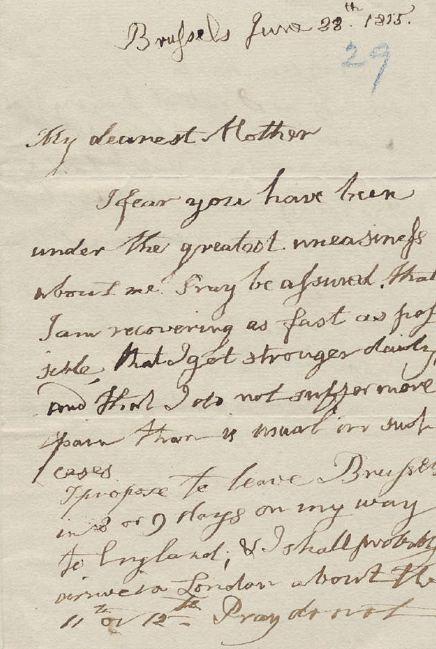
letter home to mum

Fitzroy’s first shakey left-handed letter to his mother

On the face of it there is plenty to suggest that Wellington took a very keen interest in Fitzroy’s career, and he certainly ensured that Fitzroy’s disability proved no hindrance to high office.  When we look at the recently auctioned Raglan Collection, there are many items that could only have been gifts bestowed on Emily and Fitzroy through Wellington’s personal generosity.
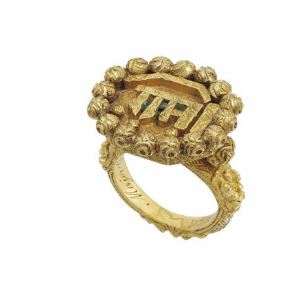
For example Lot 10, a ring allegedly taken from Tipoo Sultan’s finger after the Battle of Seringapatem in 1799, or Lot 78 which originally stood in Apsley House

tippo ring bustof wellington

But here’s the rub – Wellington’s private generosity ran counter to his preparedness to intervene in matters of public concern.  For we find that Fitzroy’s willingness to serve, his loyalty and commitment was rewarded with mediocre pay.

Throughout his life Wellington was exasperated by constant demands upon his patronage, privately acknowledging that his refusal to bow to such pressure when forming his first cabinet in 1828 lost him many friends. Even Charles Arbuthnot sulked for days on that occasion, but the Duke held firm and kept his friend from office. Why was this?

Wellington often said:

I am nimmukwallah, as we say in the East; that is…I conceive it my duty to serve with unhesitating zeal and cheerfulness, when and wherever the King or his government may think proper to employ me.   

This rigid sense of duty compelled Wellington to suppress private needs wherever they impinged upon matters of Government and state. It made him circumspect not only in regard to patronage for others, but also in terms of his own rewards.  For example in the aftermath of Waterloo when the nation was happy to lavishly treat their conquering hero, Wellington modestly opted for Stratfield Saye House – & returned £100,000 to state coffers. We can therefore see that Wellington’s over-riding desire to maintain high standards of decorum in office, created the dichotomy between private generosity and public mean-spiritedness.

bunker mentaility

In public life Wellington often felt isolated, but saw approachability as a weakness

Another factor separating Wellington’s private and public image was his hostile attitude towards the press, of which he once wrote… ‘blackguard editors of newspapers [attempt to] deprive us of our reputation by their vulgar insinuations’. Wellington repeatedly declared that he would never have anything to say to the ‘gentlemen of the Press’.  Acting like this he developed a bunker mentality, going out of his way to avoid accusations of impropriety in public office – making him appear hard-hearted towards genuine appeals for placement.

It is therefore unsurprising that Fitzroy Somerset was not raised to the peerage until after Wellington’s death, or that he remained a relatively poor man throughout his life. Both of these could (and perhaps should) have been tackled through Wellington’s influence. Fitzroy was created Baron Raglan in 1852 and given command of the British troops sent to the Crimea in 1854. He died there in 1855 from complications brought on by an attack of dysentery. Even in his final cruel days at the battlefront Raglan was heard exclaiming ‘What would Wellington have done, if he had been here?’  This poignant plea reveals how much Raglan appreciated the comradeship and ability of his old commander in arms.

raglan crimealarge

Dear Arthur, Wish you were here. Fitzroy x

In conclusion we must consider Raglan’s feelings when examining Wellington’s commitment to their friendship. We see that Lord Raglan idolised Wellington and seems to have had no sense of being taken for granted. The plain truth is that the Iron Duke would not have given his right arm for anyone, and those who knew him intimately would have accepted this unequivocally – because Wellington’s private character could never usurp his desire to serve the nation.

This blog does not shed more light on the complexities of Wellington’s character – but it does show that he was loyal and dependable, whilst also aloof and ungenerous. This combination is the crux of the continuing debate about Wellington the man.

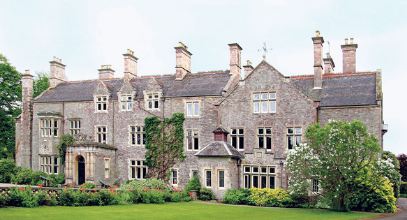
As for Lord Raglan, his death proved him a wealthy man indeed for in 1858 some 1800 friends, admirers and comrades purchased Cefntilla house and estate in Monmouthshire, presenting it to his family in perpetuity – a fitting memorial to a man who indeed was ‘an honour to his country’.

cefntilla

Cefntilla Court, Raglan’s ancestral home

If you are interested in more about Wellington’s character you may like Wicked William goes to war or find out whether Emily Somerset was Wellington’s favourite niece.

Christie’s auction catalogue for the Raglan Collection (London, 23 May 2014) really is a triumph of academic research containing a veritable treasure trove of items of interest.

Raglan Rescue is an ongoing campaign to save Lord Raglan’s collection for the nation

I cannot recommend highly enough the superb new archive in Ebbw Vale and its helpful staff, where the Raglan MS is housed.

There are so many excellent internet and archival resources devoted to Arthur Wellesley, Duke of Wellington. However it is impossible to ignore the forthcoming Wellington Congress which will be staged at the University of Southampton from 9-12 April 2015. This is a great way to hear many diverse papers about the life and times of the Duke of Wellington, and it is not too late for those wishing to submit a paper and be part of this event celebrating the bicentennial of Waterloo. Who knows? I might even be there!


‘Uncle Arthur Wellesley? He’s not all that!’ – Wicked William goes to War


 wickedwilliamyoung         wellington

‘Wicked’ William and the Duke of Wellington were remarkably alike in appearance


Little has been written about ‘Wicked’ William Long-Wellesley beyond his role in the destruction of Wanstead House. My research (and this blog) will show that William’s long and turbulent life encompassed far more than the mere dozen years it took him to plunder Wanstead’s treasures and lay waste to its estates.

Today we go back to 1808; the place is Portugal and it is mid-summer. General Arthur Wellesley (later Duke of Wellington) has just landed at Mondego Bay leading a British expeditionary force numbering 14000 men – this being the very start of his 6-year fight to liberate the Iberian Peninsula from Napoleon’s occupying forces. Amongst Arthur’s considerable retinue we find one William Pole, a 20-year-old aide-de-camp on his first tour of duty. Considering Arthur’s already legendary reputation for precision, this seems an odd appointment. Yet closer scrutiny shows that even the greatest military strategists are often bound by family obligation – thus lumbered with errant relatives, in the hope some good may come of the exercise.

 mondego bay

 He’s out there somewhere – ‘Wicked’ William lands in Portugal, 1808


William Pole was one such stray – foisted upon Arthur by older brother William Wellesley-Pole. It was a kind of trade-off in favours because Wellesley-Pole was Arthur’s most reliable and trusted confidante, protecting his interests at home – therefore Arthur could hardly refuse taking this wild but spirited boy under his wing. So it came to pass that ‘Wicked’ William and Arthur Wellesley went off to war together, offering a possibly unique opportunity to see our greatest General on the battle front, through the eyes of his own family.


rolica

At Roliça & Vimeiro William’s role involved delivering messages between regiments


Without delving too deeply into events in the field, it was a very exciting beginning for William. He first saw action at the Battle of Roliça on 17th August, where Arthur’s men defeated an outnumbered French army under General Delaborde. The next day William wrote to his mother

 I seize this, the earliest opportunity; to send you such most pleasing intelligence. I have escaped unhurt; the action was most severe and cost many brave lives… We found ourselves led into a labyrinth of narrow passes and impassable mountains. Sir Arthur, cool and collected, ordered the artillery to advance; and shots for shots were frequently exchanged between us and the enemy… The volley of the shots became less frequent; our foes were cleared for the heights… at length abated and left us master of the field of battle.

Four days later the French returned in greater numbers hoping for the element of surprise– But they were again defeated at the Battle of Vimeiro – putting an end to the French invasion of Portugal.

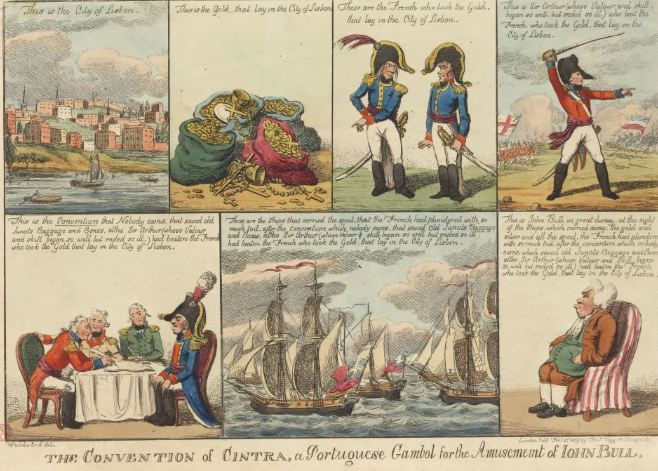
cintra

Arthur Wellesley was lambasted for his role in the Convention of Cintra

Yet this result would have been much more decisive but for the fact that two more senior British Generals arrived on the scene in the heat of battle, relieving Arthur Wellesley of his command. They prevented Arthur’s pursuit of the vanquished French armies and subsequently agreed an overly generous truce. The Convention of Cintra signed on August 30th allowed the entire French army free passage out of Portugal, and more importantly fit to fight another day. To add insult to injury the Royal Navy laid on ships to carry other French troops and munitions back home. This news was received with outrage in England, and Arthur blamed despite the fact he had not been a party to the agreement other than to sign it when ordered to do so by his superiors. Being demoted when in the throes of routing the opposition must have been a shattering blow for Arthur. He wrote to Wellesley-Pole on 26th August regarding his senior officers:

These people are really more stupid and incapable than any I have met with; & if things go on in this disgraceful manner I must quit them.

Naturally in the depths of such despair, Arthur was not to be trifled with. Into the firing line came William, whose bravery in the field had been reported in despatches, and whom Arthur had just a few days earlier remarked upon favourably. But with Arthur’s patience exhausted and his heckles up William was to become the fall-guy. This letter from the Raglan MS (dated Sept 6th) holds nothing back – as Arthur tells Wellesley-Pole exactly what he thinks of young William.

He is the most extraordinary person altogether I have ever seen. There is a mixture of steadiness and extreme levity, of sense & folly in his composition such as I have never met with… the nature of our relative situations, & the constant crowd with which I am surrounded prevents all intercourse between us… He is lamentably ignorant and idle… he talks incessantly and I hear of his topics from the others which sometimes do not appear to have been judiciously chosen… I have an opportunity of talking to him seriously of his situation; for he is gone off without Leave, which I must notice… In short I don’t know what to say about him. To educate him would be a desideratum… he will never be on a upon a par with the rest of society till he shall have educated himself

Historians regularly cite the above as a testament to Arthur’s black mood during this period. It is certainly true that Arthur’s anger made him excessively harsh towards his nephew. But given what we know about William’s subsequent behaviour at Wanstead – it is hard to disagree with this assessment.

maryborough

Wellesley-Pole received the news that William was ignorant without comment

What Wellesley-Pole must have made of Arthur’s character assassination of William we shall never know because the subject is not mentioned in subsequent correspondence. But, thanks to surviving archives, we do have the benefit of a right of reply from ‘Wicked’ William himself. We learn that William also wrote a letter home (on 27th August) in which he castigates uncle Arthur’s behaviour. The original has not survived – all we have is the reply from older sister Mary Bagot, which reveals that William actually expected more favourable treatment. To him being a relative transcended rules of rank and order within the army hierarchy. William’s vanity meant he could not grasp how such demands threatened to undermine Arthur’s authority.

My Dearest William – depend upon it, if it gets wind that you have differences with Arthur, you are ruined and undone… You must I seriously think have been drunk when you wrote to me. But I will answer every part of your complaints simply__

In the first place, you say Arthur “treats you distantly and never speaks to you”. I know, and have always heard, that when upon Service, he is notoriously distant with all his officers. Besides this, would a man of common sense be particularly free with his own nephew to disquiet every other person, make you hated, & an object of jealousy, & himself abused for favouring his nephew.

 You next say “he never employs you” – The general opinion here is that you were the person most employed & sent about with most messages in the actions. You say “you gain no credit” – To this I answer: The Times, The Oracle, & Courier have all had various eulogisms in them of you, for your activity and gallant behaviour… Everyone speaks the same language & all write in asking me, & hoping you intend following up the profession, as it is one you appear to shine in. So this is gaining no credit!

My dear William, you must recollect you are just 20. For many of those you are with, not only have a right to take the piss out of you & not only from superiority of years, but from rank, length of service & a thousand other things & can you expect to be employed & a preference given to you above them all. I cannot conceive how the idea of being employed conspicuously ever came into your head… Many work hard for years without gaining the credit you have gained in one month.

My love, your complaints are ungrateful to providence, & to Arthur… Give yourself common pains to gain an insight into the art of the profession you are now in. You began your career with one whose name & character stands unrivalled, & on with whom if you quarrel God help you is all I can say.

Above all this letter shows that William was by now a fully-fledged attention seeker. The mere fortnight that the British army rested following Vimeiro was clearly too dull– for William craved constant excitement and attention. He was obviously unprepared for the many months of inactivity and hardship facing most soldiers over the course of a campaign.

However, it must be said that William has identified traits in Arthur’s character which became the subject of debate and conjecture throughout his military career. This is perhaps best summed up by Arthur’s famous description of his troops as ‘scum of the earth’, which many observers then and since have considered insulting and unfeeling towards the many men who loyally served him & whose bravery was beyond reproach. As historian Christopher Duffy succinctly puts it

Wellington I think had this fundamental coldness in his heart. He would weep when he met casualties, but basically he was a cold-hearted bastard.

To sum up then, we can see that William’s immaturity was the root cause of his spat with Arthur. For all this though – he was unlucky to incur Arthur’s wrath at the very time when Arthur was considering his own future in the army. Had Arthur not been beset with such heavy troubles, this matter may have been resolved.

But such is the story of ‘Wicked’ William that another golden opportunity came to be wasted. Thus by the time Mary’s sensible advice reached William it was too late – he was already dismissed and heading home. To cap it all off  – ‘Wicked’ William’s chance to be mentored by Britain’s greatest general was taken by another rookie aide-de-camp named Fitzroy Somerset (later Lord Raglan) who not only went on to become Wellington’s closest military aide, but also to marry ‘Wicked’ William’s sister Emily.

emily        raglan

William’s Loss? Emily Wellesley-Pole & Wellington’s ‘chosen one’ –  Fitzroy Somerset


For more information on the Peninsular War (1808-1814), I would recommend http://peninsularwar200.org/

Rory Muir has recently written a very good biography of Wellington, which I would recommend not least because my own work is footnoted therein

For all things Wellington, and to partake in a tour why not visit Number One London

Finally, if you have enjoyed reading about ‘Wicked’ William acting the fool – please check out this earlier post entitled ‘Wicked’ William’s Hunt