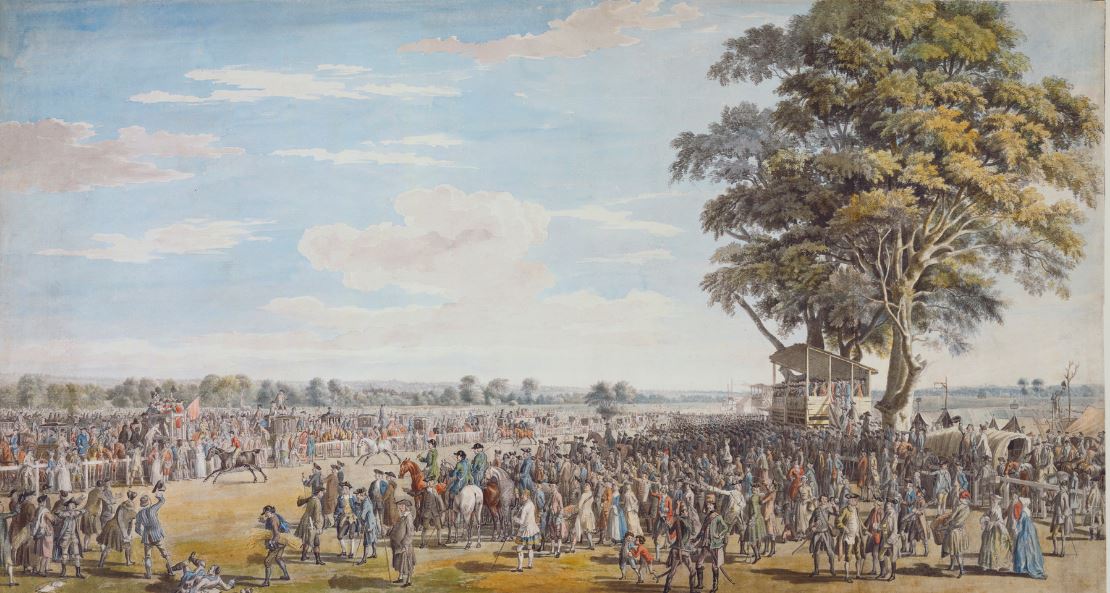
Why Wellesley-Pole should be commemorated by Ascot

Creating Tradition – Wellesley-Pole and Ascot (Part 5)

The Importance of Wellesley-Pole’s Legacy

Intro | Master of the Buckhounds | The Age of Reform | Anger Management | Legacy
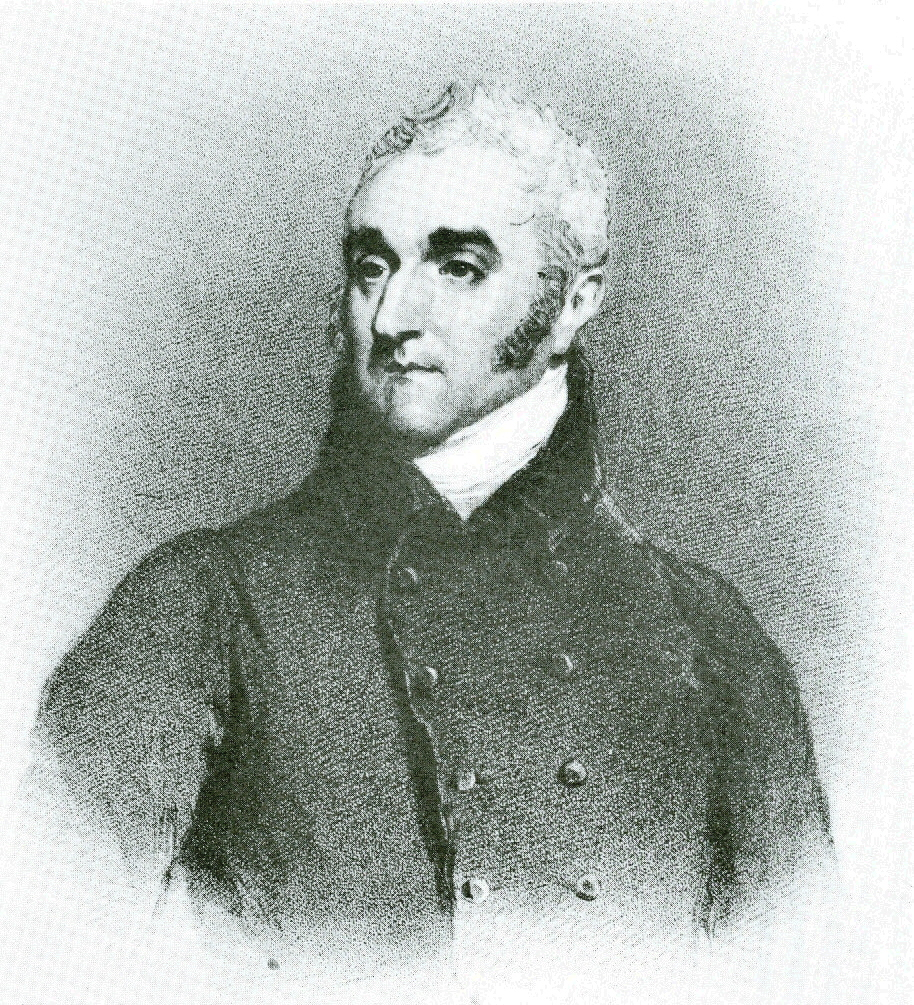
maryborough

William Wellesley-Pole (Lord Maryborough) 1763-1845

It is tempting to turn the concluding part of my study of Wellesley-Pole’s impact upon Ascot into an open letter to the powers that be, in the hope that our man will finally gain the credit he deserves. Instead, however, I want to explain why the invention of tradition was not just about Ascot, but more to do with the relationship between the monarchy and the people.
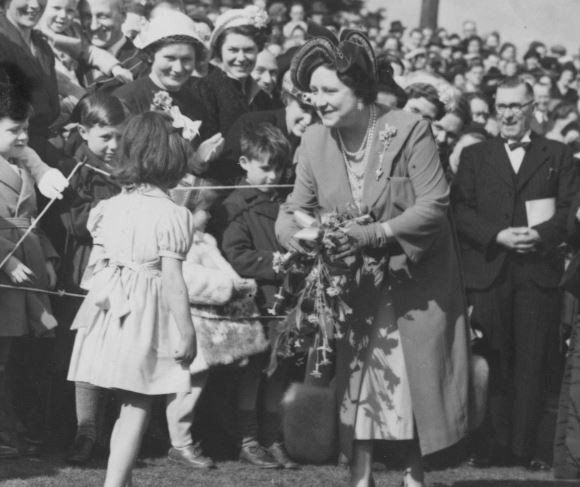
Monarchy

A Perfect Marriage : the Monarchy &  the People

We have seen how Wellesley-Pole’s structural and organisational changes transformed Ascot into the best race track in Britain, and how his rules of racing added a much-needed backbone of professionalism upon which horse racing (as a sport) has thrived. We must must acknowledge that great innovators can make mistakes, & there certainly were one or two wrong decisions made along the way.

Wellesley-Pole’s true legacy, however, must lie in the adoption of ceremonial rituals via the ‘Royal Procession’ – an entirely new creation that gave the instant impression of being a long-held tradition- bringing the people and their King together as one joyous ensemble. It was a simple but brilliant idea that has served us right up to the present time.
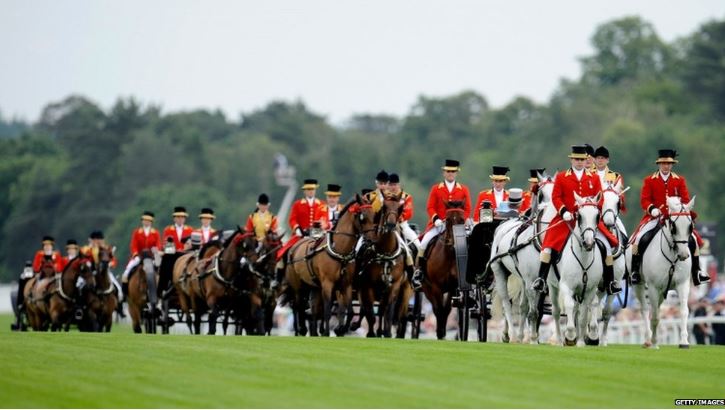
Royal Procession

To illustrate this better I will firstly examine why ‘Royal Ascot’ meant so much to George IV, and secondly show how it played a significant role in popularising his successor, William IV.

It must be clarified that Ascot was inaugurated under the reign of Queen Anne in 1711. This was more of a permit to hold meetings, and it was not until after 1750 that an annual 4-day meeting was held. The first royal to show a great interest in Ascot Heath was the Duke of Cumberland – who, as Lord Warden of Windsor Forest, was a enthusiastic and regular attendee. King George III also went frequently until his descent in madness in 1810. But it was his two eldest sons George (Prince of Wales) and Frederick (Duke of York) who really took Ascot to their hearts. The Duke of York was perhaps the most pivotal supporter of Ascot in this period as he regularly entered his own horses, sponsored races, and was always on the course. George, on the other hand, was more of a gambler than a participant – so much so that his debts led to exile from Ascot after 1807. Even after he became Prince Regent, George was remained wary of Ascot – principally because he was deeply unpopular and genuinely feared for his safety. The Duke of York by contrast was a soldier, widely respected, and loved by the people – amongst whom he could freely mingle.
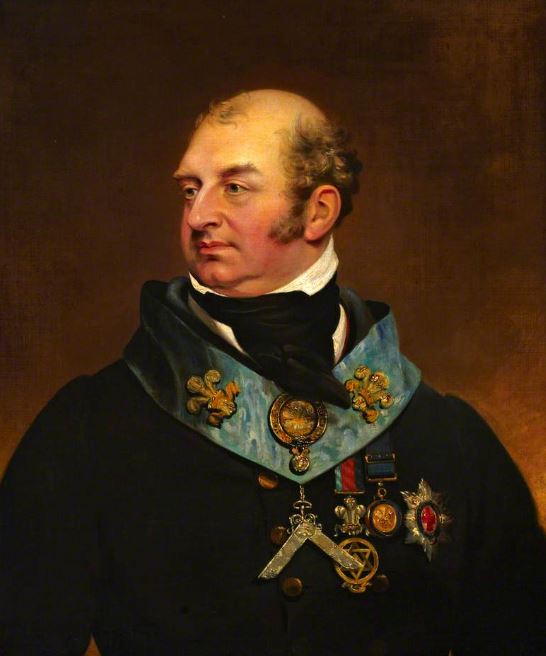
york

Frederick, Duke of York – a massive fan of Ascot Heath Races

So, by 1820 when the Regency ended and George IV became King – Ascot Heath was certainly considered a race meeting frequented by Royalty – but there was no real glue to bind each together into one synonymous concept

George IV
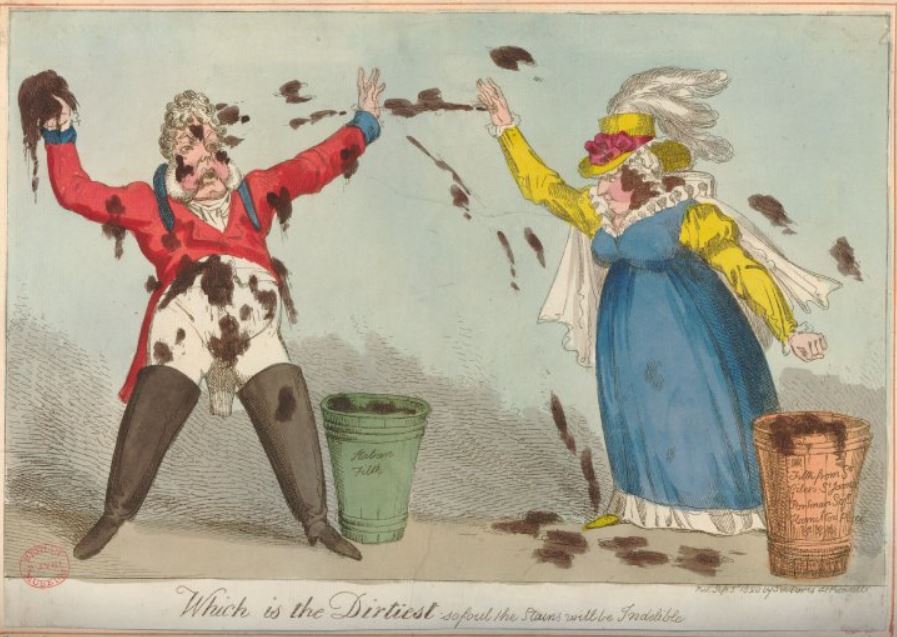
caroline

George IV’s early reign was marred by mud slinging

It is actually quite incredible to think that speculation about the King’s health was gauged throughout 1830 on the basis of whether he was likely to attend Ascot Races. On April 24th reports that the King spent three hours instructing the Royal Stud groom regarding horses to enter, was taken to mean his illness wasn’t serious. Yet as the weeks passed by and it became clear that George IV would miss Ascot the nation braced itself for bad news. This sense of foreboding reveals the bond that had formed between King and Royal Ascot and can be explained thus:
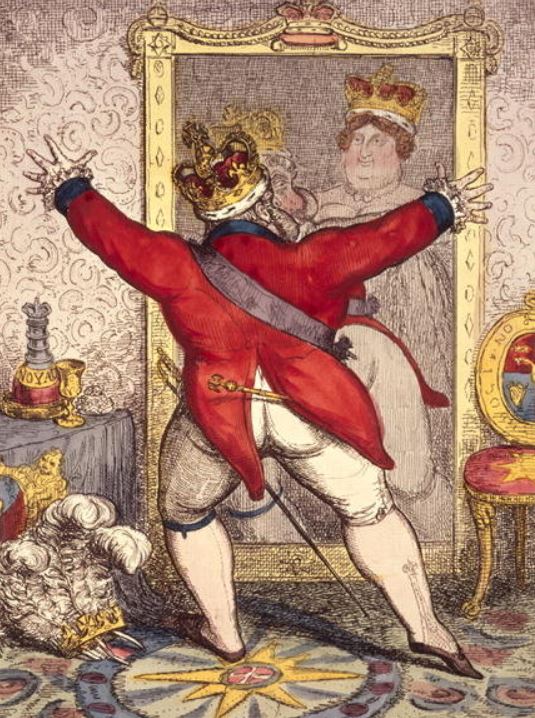
George Satire

The press loved to hate the King, and he became withdrawn

The first years of the King’s reign were dogged by social and political unrest, and problems with his estranged wife Queen Caroline of Brunswick. Her trail for adultery, exclusion from the Coronation and sudden death in 1822 combined to make George IV deeply unpopular at all levels of society. Not suprisingly by 1823, the King was largely reclusive – spending months on end at his Royal Cottage in Windsor Park. After his death it was revealed that aside from an occasional visit to the theatre, Ascot Races was the only public engagement at which the King appeared.
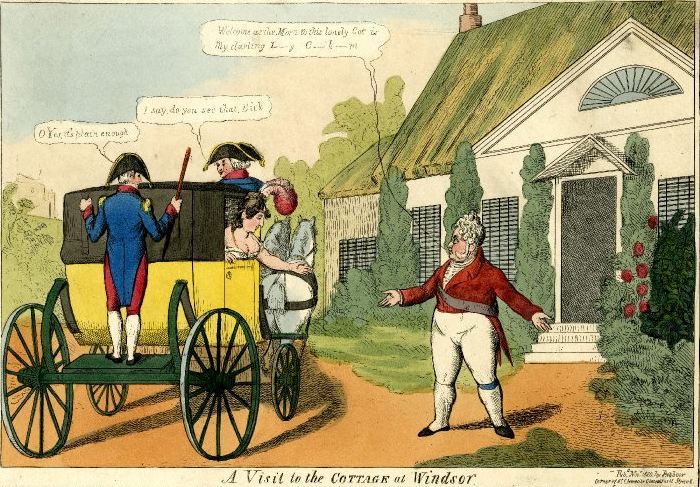
the Royal cottage at Windsor

Home from home – The Royal Cottage, Windsor Park

Ascot Races was to become a unique and pivotal occasion for the King. His decision to embrace and improve Ascot, by employing  Nash then Wellesley-Pole, was a bold move hoping to carve out one small corner of Britain where he could feel at home amongst his subjects. As an excercise in public relations, Wellesley-Pole’s newly devised ‘Royal Procession’ was a masterstroke. By 1826 it was reported

A little before one the heath was well filled, and the eyes of the spectators were then anxiously turned towards the straight mile, and the Royal Cavalcade approached amidst the cheerings of the people. The carriages stopped at the Royal Stand, and his Majesty alighted, and during the whole of the races was at the window, conversing with the noblemen of his suite… & was highly delighted at the affectionate demonstration of loyalty with which his progress was attended. He bowed repeatedly, and smiled upon the multitude in the most affable manner

If the King liked it, the public was just as enamoured, as this slightly offensive 1828 report shows

It cannot be denied that the popularity of these races arises more from the sanction afforded them by his Majesty, than from the mere running. Horses may be seen every day, but Kings are scarce; and the sight of one is something to talk of, and is recompense for an immensity of fatigue and expense. Of the thousands congregated at least three out of every five came to see the King; and it is a fortunate circumstance for his admiring subjects, that the Royal Person is sufficiently bulky not to be mistaken for that of any less personage

When Wellesley-Pole created the Royal Procession, therefore, he did an enormous service to the King, paving the way for his popular acceptance. In one fell swoop, Ascot Heath was permanently transformed into ‘Royal Ascot’ – for the benefit of both instititutions.

William IV

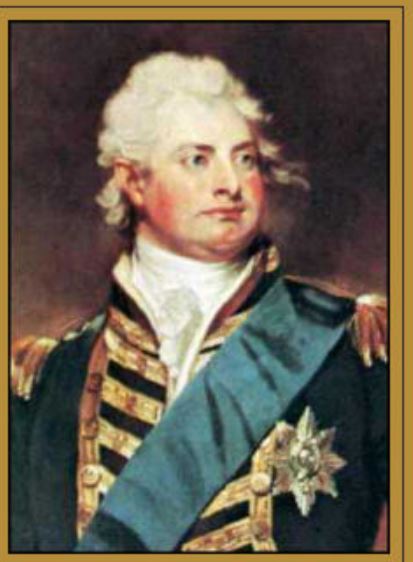
It is a curious thing that Ascot proved to be an important turning point for George IV’s successor, William IV  (even though Wellesley-Pole was no longer in charge). The new King was never much of a fan of horse-racing and seldom attended Ascot. However, one of his first engagements was at Wellesley-Pole’s second Ascot meeting in August 1830 where he received a rapturous reception.
WilliamIV

William IV – the ‘Sailor King’

The following summer was less enjoyable as the King found himself snubbed by the aristocracy, who boycotted Ascot in protest at William IV’s support for the Reform Bill, reportedly ‘evincing the coldness of their feelings towards the Crown’. But when the public heard of this snub they turned out in even greater numbers than before. The Morning Chronicle wrote

It is clear that the expectation of seeing the King is paramount over every other consideration with three-fourths of those who visit Ascot; without this attraction, certain we are that the brilliant company assembled on the Heath would have been fewer by some thousands… the great popularity of the Sovereign excited an interest ensuring a full attendance.

In 1832 the Royal Procession ceremony provided one last final, and unexpected endorsement proving beyond question that Wellesley-Pole’s marriage of Ascot to Monarchy was both secure and permanent. When making his initial public salute at the balcony of the Royal Stand…

A ruffian, in the garb of a sailor suddenly threw a large flint stone directly at the King…striking our venerable Sovereign on the forehead, just above the rim of his hat… the sound was loud and the King fell back one or two paces and exclaimed ‘My God, I am hit’. Happily his Majesty soon relieved all anxiety… and appeared smiling at the front window of the Stand to huge cheers from the populace

Concluding Words

So we can see the pivotal role Ascot played in re-connecting one monarch (George IV) with his subjects, and reviving another (William IV) at a time when the ruling elite tried to slap him down. In both instances the Royal Procession provided a perfect platform for the exchange of affection needed between citizens and Kings. Wellesley-Pole therefore created a pageant that elevated Royal Ascot above the status of a mere sporting occasion into a popular celebration of the monarchy.

That Ascot became the venue for a vitally important patriotic affirmation, whilst at the same time undergoing unprecedented improvements in all aspects of horse-racing – is the reason why I think Wellesley-Pole ought to be thanked by today’s owners.
ascotroyale

If you have read and enjoyed this, I hope you will try to remember Wellesley-Pole next time you happen to see Ascot’s ‘Royal Procession’. At least that way his hard work will never be forgotten.

Recommended Links

The main Ascot website has detailed information on days out at Royal Ascot 

I would heartily recommend a stay in Windsor, as besides Ascot there is so much to do in this beautiful town

The invention of ‘Royal Ascot’ 1823-1830

Creating Tradition – Wellesley-Pole and Ascot (Part 3)

How Wellesley-Pole invented ‘Royal Ascot’

Intro | Master of the Buckhounds | The Age of Reform | Anger Management | Legacy

George IV

George IV – A great patron of Ascot Races

The transformation of Ascot Heath races to ‘Royal Ascot’ between 1813 and 1830 must largely be credited to George IV. At the beginning of his Regency (1813) Parliament enacted an Act of Enclosure securing the future of Ascot Heath as a public racetrack. But it was not until his accession to the throne in 1820 that the King really made his mark. Almost immediately his favoured architect John Nash was engaged to construct a Royal Stand.  This began a decade of almost continuous change and improvement. Between 1820 and 1830 racing at Ascot and the Royal Family became synonymous- This happened because it was transformed into an incredibly well-organised and massively popular event- one of the few venues where the unloved and extravagant King genuinely felt at ease.

Wellesley-Pole was the man George IV entrusted to revitalise Ascot, but the King could never have imagined this undertaking could lead to the creation of ‘Royal Ascot’ AND the rehabilitation of the King in the eyes of his subjects.

Wellesley-Pole’s changes can be briefly be categorised as follows:

Building Works

The Roal Stand - Ascot 1825

The Royal Stand c.1825

Though the Royal Stand was first opened in 1822 (having been built by Nash in just 5 weeks), it was greatly improved and modified under Wellesley Pole’s stewardship. Additional rooms were added, and the windows hung with rich rose-coloured drapery. The King now had the option to make himself more visible to the public from its rooftop terrace, or to retreat to the privacy of his entourage. He greatly enjoyed the ability to wave to his subjects from the security of his suite.

In 1826 a new stand was erected for the Duke of York next to a further smaller stand for Wellesley-Pole’s use as steward. Sadly the Duke of York died in 1827, whereupon the King assigned his brother’s stand to the Jockey Club. Before it was handed over Wellesley-Pole reconfigured the windows so that Jockey Club members would not be able to overlook the King’s Stand.

For the benefit of the betting circles a new three storey building was erected to afford a better view of proceedings for aristocratic gamblers as well as more than doubling the capacity for licensed book-makers. This building too was set back to prevent over-looking the Royal Stand.

All these improvements were eventually superseded by the opening of a magnificent Nash inspired public stand in 1839, but the plans for that were laid down during George IV’s reign, when Wellesley-Pole was in charge.

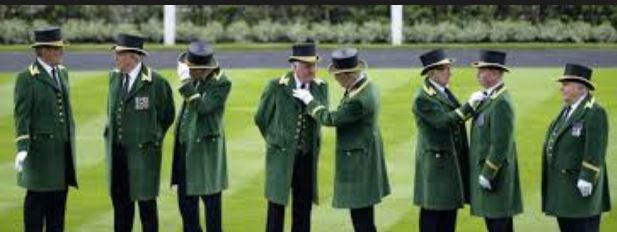
But the most important and lasting changes to Ascot undertaken by Wellesley-Pole related to the course itself. Wellesley-Pole recognised that the quality of racing was totally dependent upon the state of the racetrack, and set out to ensure that (whatever the weather) Ascot would rise to the occasion. His first action was to ensure that race-goers could not enter the running area. He did this by employing a host of security guards and police men who rigidly prevented any intrusion likely to damage the course, or worse still hinder the races when in progress.

yeoman prickers

‘Yeoman Prickers’ nowadays known as Greencoats -entrusted with keeping pedestrians off the course

By 1824 the course was closed to cattle grazing- only sheep were permitted onto the course when it was not in use. An extensive program of under-draining began so that by 1828 it could no longer be considered a ‘heath’ since standing water simply drained away. That same year Wellesley-Pole remodelled the turns at Swinley & Pike corners, creating a wider sweep, giving the horses more room for running with greater safety – immeasurably improving the race standards. Finally in 1829 £300 was spent forming a new gallop for the horses in training – meaning that the course was now pristinely preserved solely for the annual race meeting. The Morning Chronicle described these structural improvements as making ‘Ascot on of the most complete race courses in the Kingdom… which cannot fail of proving beneficial to the sport’.

Ceremonial

It was already a long-held tradition that the Royal Family attended Ascot Races. Since the 1750s the event was held once annually lasting four days. There was no fixed date in the calendar for Ascot, it seemed to be determined a fixed number of weeks after Easter- hence the meeting could fall in May, but was most commonly held in the early part of June. Attendances were always greater when it was known that the Royal Family would be there, so Wellesley-Pole set about adding a much-needed touch of pageantry to the occasion.

Royal Procession

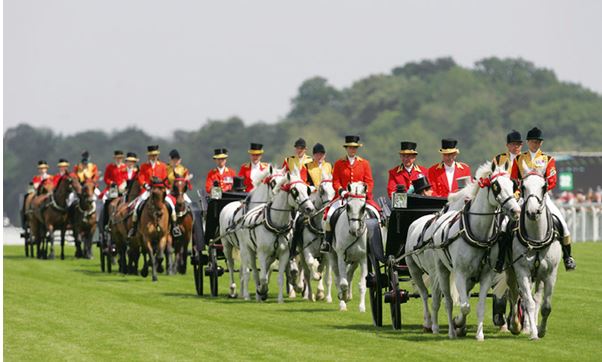
The Royal Procession – Inaugerated by Wellesley-Pole 1825

Wellesley-Pole decided that the Royal Family should arrive at the fixed time of 1pm, and that a ceremonial procession be devised to celebrate the occasion. Given that Ascot was open to all, and the King was genuinely fearful of public hostility – Wellesley-Pole ramped up the pomp to such a high level as to create a sense of awe. This had two effects – firstly it put the King at his ease to feel that he was partaking in a State Occasion – secondly it appealed to the patriotic fervour of the people. Yes, they may have resented George IV as a profligate wastrel – but the institution of the British Monarchy meant so much more than that, and Ascot was neither the time or the place to undermine it.

So, on 31st May 1825 his Majesty and a party of distinguished visitors emerged from trees within the Park and began a parade down the straight mile section of Ascot’s racecourse. The procession continued up to the newly built Royal Stand, and the newspapers reported

His Majesty was preceded by Wellesley-Pole and several yeomen prickers in their scarlet jackets, and came in his plain travelling-carriage drawn by four horses. Three carriages followed with the members of His Majesty’s suite. His Majesty, on alighting, was received by the Duke of York, who had previously arrived… and walked to the Stand with great firmness and appeared to be completely relieved from his recent attack of gout. On reaching the Royal Stand he instantly advanced to the window and on throwing up the sash was received with the customary demonstrations of loyalty and affection. He was highly delighted by the brilliant and numerous assemblage which was presented to his view.

Ascot Heath Races

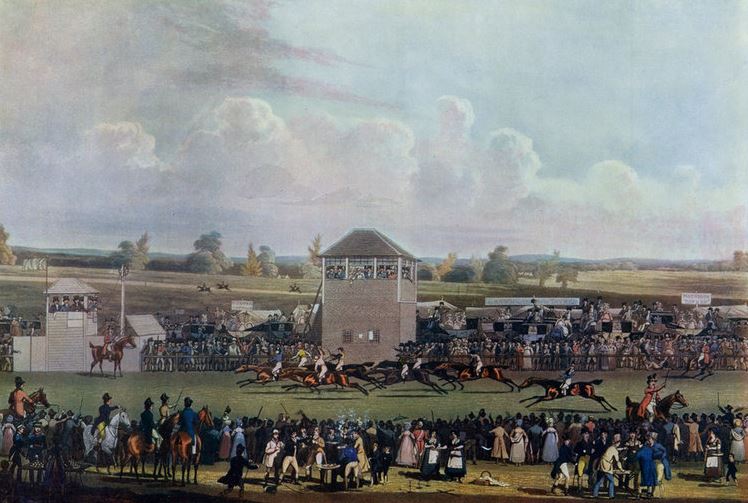
The Gold Cup 1829, King George IV’s final appearance at Ascot

At one o’clock precisely Lord Maryborough desired the bell for the first race to be rung, and at the same moment the Yeoman Prickers and Constables under his Lordship’s direction, and with great propriety forced every person to retire outside of the ropes and railings, thereby enabling his Majesty, and those in elevated situations, to command an uninterrupted view of the running, which began at 1-30pm sharp. Newspapers enthused that ‘the regulations adopted in this respect were most judicious, and were strictly adhered to throughout the day… It would be well if at Epsom so admirable a precedent were followed.’

So strikingly successful was the Royal appearance in 1825 that it was permanently adopted thereafter. Thus, as early as 1826 ‘Ascot Heath’ was no more, and the press hereafter referred to it as the ‘Royal Races’ at Ascot.

Rules and Regulations

Wellesley-Pole was a stickler for order and propriety, and his unremitting demands for conformity played a huge role in changing Ascot into a public occasion worthy of the Royal Court.

Ascot Heath Races 2

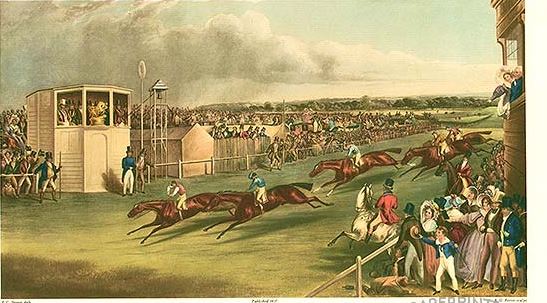
Determining race winners was never easy

We have seen that Wellesley-Pole laid down the rule that the Royal Family arrived at their Stand at 1 o’clock precisely via a procession down the straight mile. He employed hordes of security to keep the people off the race surface. As Steward he requested that all ranks of the aristocracy were on the course by 12 noon, emphasising that the new ‘Royal Procession’ was to become an integral part of the Ascot races.

When it came to the races themselves, Wellesley-Pole really came into his own. He insisted that all races start on time. A notice was fitted on the weighing room that every jockey not attending to weigh at the proper time would be fined.

The outcome of races was often the subject of great controversy, so Wellesley-Pole employed Mr Clarke the well-renowned judge from Newmarket in order to raise the Ascot’s standards of professionalism to the highest level. He also made it a strict rule that all horses start from the same point as this was often the source of dispute and accusations of cheating. Finally Wellesley-Pole ended the practice of running heats for various prized events, since on one occasion it got too dark for the final races to be ran.

It was generally agreed that Ascot needed an officious and firm stewardship, and though Wellesley-Pole did not endear himself to anyone unlucky enough to breach his rules, there was a grudging admiration for what he had achieved.

Licensing & Security

One of Wellesley-Pole’s greatest attributes was his ability to involve all staff in the process of change. Adding the Yeoman Prickers to the Royal Procession gave them a very real sense of inclusion, and made it easier for Wellesley-Pole to encourage them to secure the racetrack from trespass. On race days each person employed was made fully aware of the importance of their contribution. Better still, Wellesley-Pole paid special bonuses to reward everyone involved in the successful outcome of each meeting.

From 1825 there was a noticeable decline in crime and illegal gambling. The Morning Chronicle enthused that ‘those ruffians with cups and balls, garters, and other swindling devices, by whom Epsom downs was infested, were altogether excluded from the course’. A large contingent of Bow Street Runners were on hand to deter pickpockets and other petty thieves. The aim was to make the occasion a safe one, but not to exclude ordinary folk who came there in their droves.

Public at Ascot - Sandhay 1809

Ascot was a great public occasion, and there was not a bed to be had for miles around during race week

As mentioned earlier, the betting circle was extended after 1826 – but a license charge of 5 guineas was set so that Ascot could benefit financially. Also a team of inspectors was engaged to proceed against all vendors intending to serve wines and spirits without purchasing the appropriate license – again at 5 guineas each.

Such was the effect of Wellesley-Pole’s reforms that the Morning Chronicle wrote

Ascot cannot be too highly praised. The precision in which the races were run the keeping of the course- and the spirit displayed by the principle supporters of them, cannot but have satisfied the most fastidious; for everything evinced liberality and good management. To [Wellesley-Pole] the public are indebted for the management and execution of those measures to which the excellence of the sport was owing.

So, by 1830 Ascot had truly transformed to become ‘Royal Ascot’. It was in fact so popular with the King that he ordered Wellesley-Pole to arrange a second meeting to be held just a few weeks later. In the King’s eyes Wellesley-Pole could do no wrong. But change was coming – the King was ailing and Wellesley-Pole himself was soon to overstep his authority and fall from grace.

Tune in for part 4 of Wellesley-Pole and Ascot to see how Wellesley-Pole’s hot temper and over-bearing rules & regulations combined to bring the curtain down on his illustrious Stewardship of Ascot race track.

My blog sheds light on the extraordinary life and times of the Wellesley-Pole family, including their three daughters (dubbed the three graces), and, of course ‘Wicked’ William his notoriously scandalous son. It is only when we learn the calibre and achievements of his family that the real scale of ‘Wicked’ William’s depravity is revealed.

I would be please to receive any comments or feedback and thank you for reading this blog!